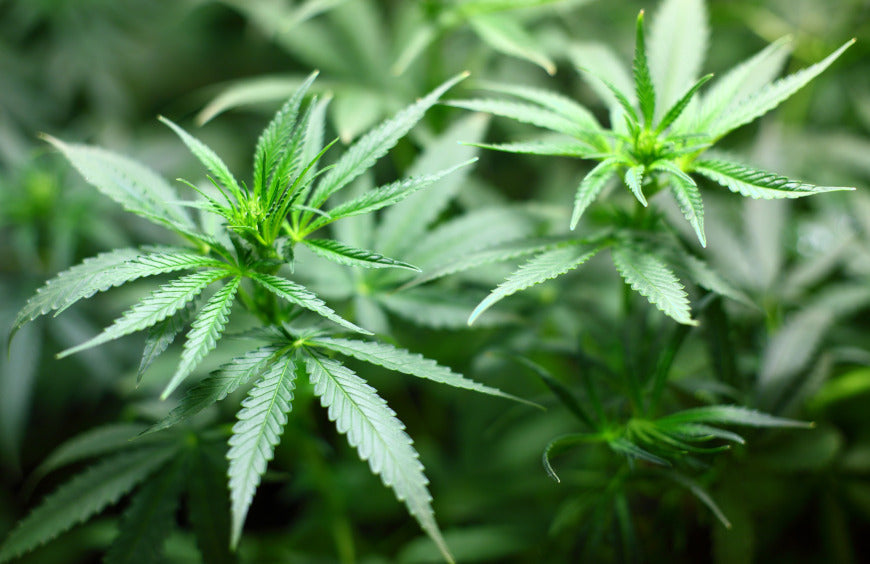
CBD, which is very popular today, is a non-psychoactive compound found in the cannabis plant. It has numerous therapeutic properties that are highly sought after. The type of CBD extraction is a crucial factor in ensuring the quality of your CBD. CO2 extraction is the best-known and most widely used method among all CBD extraction techniques. In this article, we’ll walk through the different steps involved in CO2 CBD extraction.
THCa Decarboxylation Step
Cannabis contains THC in its acid form. This is THCa, a non-psychoactive compound. When the plant material is exposed to heat, THCa transforms into THC. This process requires a very specific ratio of heat to time for two reasons.
On the one hand, to convert THCa into THC, and on the other hand, to prevent THC from being converted into a different compound. This is why thermally sensitive CO2 CBD extraction systems—which use lower, plant-friendly temperatures for the cold separation process—have been developed. This is a chemical process called decarboxylation. The best way to achieve the highest yield when extracting CBD with CO₂ is to decarboxylate it first.
Processors very often use ovens to achieve this. Once the material has been decarboxylated and dried, it is ground like coffee beans.
The ground material is fed into the machine, and the machine operator starts the extraction cycle. Unlike subcritical extraction, where pressure and temperature are low, a supercritical extraction method extracts everything from the plant.
Even certain undesirable components, such as fats, waxes, and lipids, are not removed. These must be eliminated through a specific process. This process is called winterization. It ensures that only the pure oil is retained.
Steps for Winterizing
The overwintering process takes place in several phases.
First step: The extract, which contains fats and waxes, is mixed with alcohol and then placed in an industrial freezer overnight. The next day, the mixture is filtered through a funnel, with the unwanted particles being retained on filter paper. The mixture can be filtered several times as needed.
Second step: Remove the alcohol. This is done by gently heating the oil extract using a rotary evaporator. The boiling point of alcohol is different from that of the oil. As a result, the alcohol evaporates from the oil. The alcohol is collected and can be saved for future use.
Phase Three: Once the oil has been stripped of alcohol and vegetable wax, it can be refined to isolate individual compounds, such as THC, using short-path distillation processes.
But what exactly is meant by "short-path distillation"?
Short-path distillation is an optional step in the CO2 CBD extraction process. It involves isolating the individual compounds from the oil extract. Also known as fractional distillation, this separation of compounds from the CBD oil extract is a labor-intensive process. Each compound in the CBD oil boils at its own specific temperature.
Consequently, when the oil is heated, the compounds are extracted once they reach their specific boiling points. It is important to note that the entire process requires specialized equipment and takes an enormous amount of time.
It will therefore take patience and resilience to achieve this. After distilling the individual compounds, we obtain the “isolates.”
An isolate is an oil that contains a compound used in medications to treat specific conditions.