With nearly 7 million consumers—more than 12% of the country’s population—CBD has undeniably found its audience in France. Cannabidiol enthusiasts seek out its pain-relieving, soothing, and anti-inflammatory properties, whether occasionally or regularly. Meanwhile, foodies are experimenting with adding CBD to their recipes as a culinary ingredient.
In this article, we'll explore what happens to your body when you consume CBD.
Reminder: What is CBD?
First of all, you need to remember what CBD is. It stands for “cannabidiol.” Like THC, this substance is found in hemp. It belongs to the family of cannabinoids derived from this plant. There are over a hundred cannabinoids, but CBD and THC are the best known. For example, CBG, CBC, and CBN are also cannabinoids found in cannabis.
In addition, CBD is sold in a variety of forms: flowers, oils, resins, concentrates, e-liquids, edibles, herbal teas, cosmetics, and more. These different products cater to every preference and need.
CBD products are very popular these days because of their purported benefits. This is especially true since cannabidiol does not carry a risk of addiction or altered perception. It’s also important to note that hemp isn’t grown solely for its potential effects. In fact, it’s also used in many fields, such as construction, insulation, and more. Finally, unlike THC, CBD use is legal in many countries as long as the finished product contains less than 0.3% THC.
Can CBD be considered a medication?
Please note that CBD sellers cannot confirm the potential therapeutic properties of CBD. However, they can provide evidence for the effects reported by consumers.
Furthermore, CBD cannot under any circumstances be considered a medical treatment. Therefore, you will not find the term “medication” listed on any CBD-based product. If you have a medical condition, we advise against self-medicating with CBD. We encourage you to speak with a doctor, who can advise you on whether your current treatments are compatible with taking CBD.
It should be noted, however, that in the 1960s, researcher Raphaël Mechoulam conducted studies on the composition and effects of cannabinoids. His research demonstrated their benefits in treating certain medical conditions. Based on this study, further research paved the way for the use of cannabis in pharmacology, specifically focusing on CBD and THC.
Since these discoveries, some states—particularly in the United States—have legalized cannabis for medical purposes. It is used, for example, in "Sativex." This medication contains, among other ingredients, CBD and THC. Its effects are enhanced by the entourage effect. In fact, the combination of CBD and THC is highly effective for certain conditions. This medication is particularly recommended for patients with multiple sclerosis.
How does our body's endocannabinoid system work?
First of all, all humans and mammals have an endocannabinoid system. It is a network of neurotransmitters, enzymes, and endocannabinoids produced by our bodies.
This system allows us to regulate many processes, such as stress, emotions, digestion, memory, certain functions of the circulatory system, and so on. It is therefore essential to the functioning of our body. It plays a vital role in the nervous system, the endocrine system, immune tissues, and metabolism. It helps these systems regulate their state as needed.
Our endocannabinoid system is made up of two types of nerve cells: the CB1 and CB2 receptors.
CB1 receptors
They are found primarily in our central nervous system: the brain, spinal cord, reproductive system, and fat cells. These receptors are highly sensitive to THC. They help us regulate our mood, emotions, and appetite. CBD is also believed to activate them, which may result, for example, in an anxiolytic effect.
When THC is ingested, this molecule binds to CB1 receptors and triggers their action.
In addition, THC blocks the dopamine normally released by the brain during pleasurable experiences. The brain is then flooded with a large amount of dopamine that it was unable to release. This produces significant effects for the user. Some preliminary research suggests that CBD may reduce certain side effects, such as addiction, due to its inhibitory effect on the CB1 receptor. As a result, it may also reduce the effects of THC when taken simultaneously.
CB2 receptors
These receptors respond more to CBD than to THC. They are found primarily in our immune system, such as in the pancreas, tonsils, leukocytes, etc. Like THC, CBD is believed to activate these receptors. This causes them to release serotonin, a neurotransmitter responsible for mood and well-being. This produces an anxiolytic effect, thereby relieving a great deal of pain. In fact, endorphins are also released when CB2 receptors are activated. CBD is believed to activate CB1 receptors to a lesser extent than THC. After consumption, there are no psychotropic or addictive effects.
In addition, CBD is also thought to trigger the production of anandamide, an endogenous cannabinoid neurotransmitter that also has analgesic properties. Finally, adenosine receptors are also believed to be activated after CBD ingestion. These receptors produce an anti-inflammatory effect.
CBD may also reduce the concentration of antigens sometimes associated with certain cancers. However, there is still a lack of clinical studies confirming this hypothesis. CBD may therefore help maintain and regulate balance, while also serving as a natural alternative. Further or successful research could open up significant prospects for this molecule in the therapeutic field.
How does CBD work?
CBD, like THC, interacts with our bodies in various ways. One of the main effects of CBD is to mimic and enhance the effects of compounds in our bodies called "endogenous cannabinoids." They are so named because of their similarity to the compounds found in cannabis.
The discovery of the endocannabinoid system has greatly improved our understanding of health and disease. It has major implications in nearly every field of medical science and helps explain how and why legal marijuana and THC are versatile compounds.
What are the effects of CBD on our bodies?
The four main functions of the endocannabinoid system (with which CBD interacts) include neuroprotection, stress recovery, immune balance, and homeostatic regulation. For example, in a situation of excessive stress, it is activated and helps the body return to its normal state.
Simply put, you can expect a gradual sedative effect after consuming CBD. Other effects have been reported, are being studied, and are the subject of numerous testimonials. CBD may play a role in mechanisms related to pain, inflammation, and even sleep.
Because each person’s physiology is unique, the location and number of endocannabinoid system receptors vary from person to person. Therefore, CBD from the same strain can have different effects on different people.
How Can You Use CBD Effectively?
CBD works best when it enters the bloodstream directly. This allows you to feel the effects almost immediately or within a few minutes.
CBD Oil
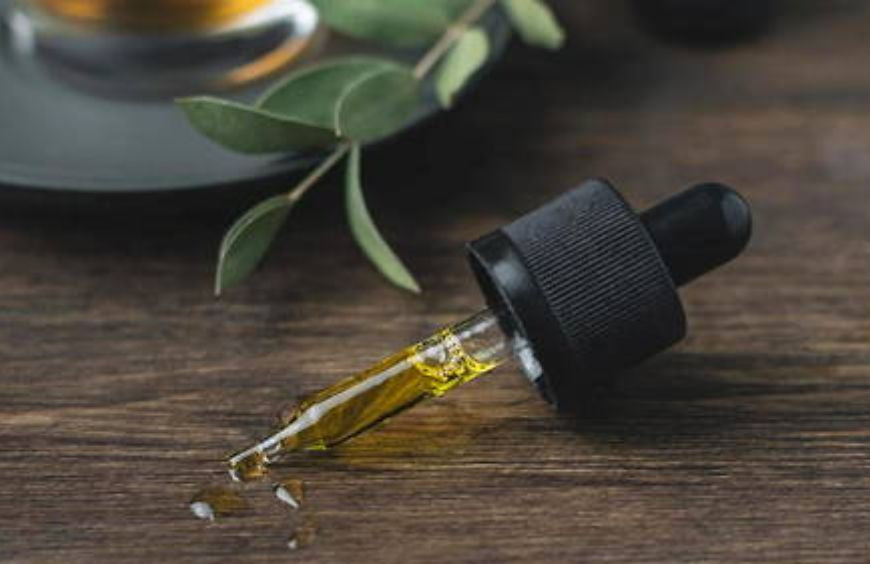
CBD oil is sold in bottles, usually with a dropper. This allows you to add CBD oil more precisely.
CBD oil is produced through CO2 extraction and sold as full-spectrum or full-range oil. Full-spectrum CBD oil contains CBD as well as other cannabinoids, phenols, terpenes, vitamins, and minerals.
CBD Herbal Tea
The effects of CBD herbal tea take longer to kick in than when CBD is absorbed into the bloodstream. The active ingredients must first pass through the intestinal wall or be metabolized by the liver. Depending on your condition and the dosage, it may take about an hour for the CBD herbal tea to take effect.
The effects of CBD in the form of herbal tea are comparable to those of other CBD dietary supplements. However, experience has shown that CBD has a slightly longer-lasting effect when taken as a dietary supplement than when administered sublingually. You can also steep CBD flowers just as you would with a traditional herbal tea.
CBD E-liquid
CBD takes effect almost immediately after inhalation. This is because it enters the bloodstream directly through the mucous membranes.
Are there any side effects from using CBD?
CBD is not considered a drug and therefore poses no health risks. The WHO has confirmed that CBD is not harmful. It is generally well tolerated by most users. However, some people may experience side effects to varying degrees. This is particularly true in cases of overdose with a low-quality product or when the body does not tolerate it well. Possible side effects include fatigue, loss of appetite, or digestive issues.
Therefore, we advise against driving or engaging in activities that require a high level of concentration immediately after consuming CBD. In fact, you may feel tired. Finally, CBD is not recommended for pregnant women and is prohibited for minors.
In short, CBD works through our endocannabinoid system, which maintains our internal balance. It binds to the receptors in this system and naturally stimulates it, causing it to function more effectively.