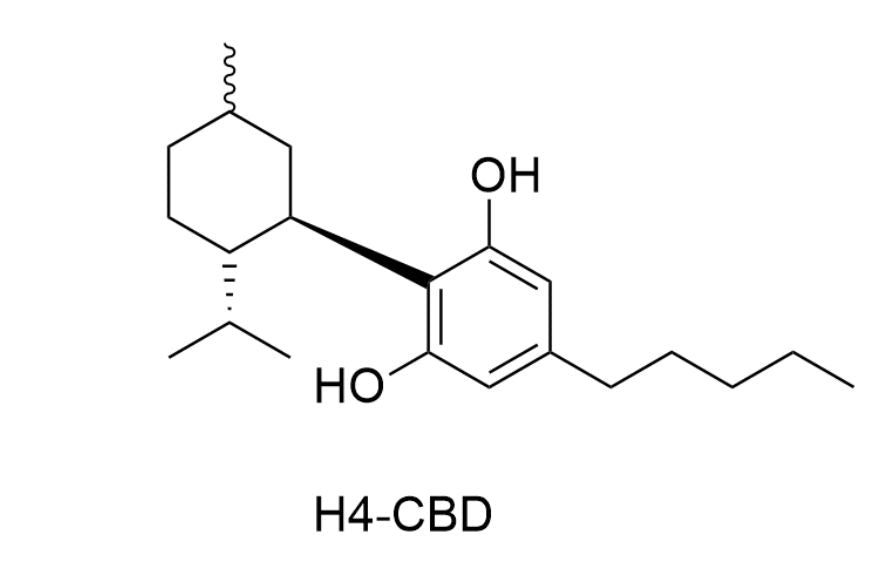
These days, the world of cannabinoids continues to expand, offering innovative alternatives for experienced consumers seeking more potent benefits. Among these new products, H4CBD—short for hexahydrocannabidiol—is generating a lot of buzz.
H4CBD is an intriguing molecule that differs from its cousin, CBD (cannabidiol). While CBD is widely recognized for its relaxing and soothing properties, H4CBD offers a different approach.
Recent research suggests that H4CBD may have more potent effects on certain medical conditions, including anxiety, pain, and neurological disorders. This molecule has a unique chemical structure that gives it distinct characteristics and may interact differently with the cannabinoid receptors in the human body.
In this guide, we’ll reveal everything you need to know about H4CBD, including its properties, how it works, and its potential applications. Dive into the exciting world of H4CBD and discover the latest scientific advances that could open up new therapeutic possibilities for informed consumers seeking innovative solutions.
Cannabinoids: A Diverse Group of Compounds with Many Facets
Cannabinoids are chemical compounds found in the cannabis plant that interact with receptors in the human body’s endocannabinoid system. These receptors, known as CB1 and CB2, play a crucial role in regulating various physiological functions, including:
- the mood,
- appetite,
- sleep,
- memory,
- pain
- and inflammation.
Through ongoing research, more than a hundred cannabinoids have been identified, but two of them are of particular interest to the scientific community: delta-9-tetrahydrocannabinol (THC) and cannabidiol (CBD). THC is responsible for the psychoactive effects associated with cannabis use, while CBD has therapeutic properties without causing any psychotropic effects.
However, cannabinoids are not limited to just THC and CBD. Many other compounds, such as cannabigerol (CBG), cannabinol (CBN), cannabichromene (CBC), and many others, have also been discovered and are the subject of in-depth studies.
Each cannabinoid has its own chemical structure and interacts differently with the receptors of the endocannabinoid system, which explains the diversity of their potential effects on the human body. Some cannabinoids may have anti-inflammatory, analgesic, anxiolytic, or antiepileptic properties, or may be studied for their potential in treating specific conditions such as multiple sclerosis, epilepsy, arthritis, and many other ailments.
Research on cannabinoids and their beneficial effects is constantly evolving, paving the way for new discoveries and potential medical applications. By better understanding these multifaceted compounds, we may be able to harness their therapeutic potential and improve the quality of life for many people.
H4CBD: A Hydrogenated Cannabinoid
What is a hydrogenated cannabinoid?
A hydrogenated cannabinoid is a cannabinoid that has undergone a hydrogenation process, which involves saturating the double bonds in the molecules by adding hydrogen atoms using a catalyst such as:
- palladium
- or platinum oxide.
In other words, this is a chemical modification in which hydrogen atoms are added to the structure of a cannabinoid. Chemical hydrogenation generally improves the stability of the cannabinoid.
What is H4CBD?
In the fascinating world of cannabinoids, H4CBD stands out as a promising molecule. Also known as hydrogenated CBD, H4CBD is produced by hydrogenating CBD. This chemical process involves adding hydrogen atoms to the structure of cannabidiol. This molecular modification gives H4CBD specific characteristics that set it apart from its counterpart.
In its natural state, H4CBD is not present in the hemp plant. It is created through a chemical process called hydrogenation, which involves saturating the double bonds by adding hydrogen atoms with the help of a catalyst. In the case of H4CBD, four hydrogen atoms are added to the CBD molecule, altering its structure and properties.
H4CBD thus offers new avenues for research into hydrogenated cannabinoids and is attracting growing interest due to its specific properties. Its therapeutic potential and distinctive characteristics make it a fascinating subject of study in the field of cannabinoids.
The Medical Potential of H4CBD
Although research on H4CBD is limited, it shows encouraging signs in terms of its pharmacological properties. Preliminary studies suggest that this hydrogenated cannabinoid may offer several potential medical benefits, including:
- Anti-inflammatory: H4CBD may help reduce inflammation in the body by inhibiting the production of specific pro-inflammatory molecules. This property could offer promising prospects for the treatment of inflammatory conditions such as arthritis, colitis, and other inflammatory disorders.
- Antioxidant: Just like CBD, H4CBD appears to have antioxidant properties. This means it may help protect cells from damage caused by free radicals, thereby helping to prevent certain diseases linked to oxidative stress.
- Neuroprotective: Preliminary studies suggest that H4CBD may have a neuroprotective effect by preventing neuronal death and promoting neuronal survival. This property could have significant implications for the treatment of neurodegenerative diseases such as Parkinson's disease and Alzheimer's disease.
- Anticonvulsant: Researchers also believe that H4CBD may play a role in reducing the frequency and severity of seizures in patients with epilepsy. This property could open up new avenues for the development of more effective anticonvulsant therapies.
Although these initial findings are promising, it is important to note that research on H4CBD is still limited and that further studies are needed to better understand its mechanisms of action and therapeutic potential. However, these preliminary results offer a fascinating glimpse into the many medical possibilities that H4CBD may hold.
Differences Between H4CBD and CBD: An In-Depth Comparison
Current research on H4CBD is still limited, making it difficult to conclude whether this cannabinoid offers significant benefits over CBD. Nevertheless, certain structural and mechanistic differences can be observed:
- Chemical stability: The hydrogenation of CBD into H4CBD increases its chemical stability. This could result in longer shelf life and reduce the risk of oxidation compared to non-hydrogenated CBD.
- Affinity for CB1 and CB2 receptors: H4CBD’s interactions with CB1 and CB2 receptors may differ from those of CBD, which could lead to distinct pharmacological effects. However, specific data on H4CBD’s affinity for these receptors are still needed to better understand its specific mechanisms of action.
- Side Effects: The side effect profile of H4CBD has not yet been well established. Due to its distinct chemical properties, H4CBD may have different side effects than CBD. However, further studies are needed to more accurately assess these differences and determine the potential adverse effects of H4CBD.
It is important to note that research comparing H4CBD and CBD is still ongoing. Future research may provide more in-depth information and a more comprehensive understanding of the differences and similarities between these two cannabinoids. Therefore, it is advisable to wait for additional studies before drawing definitive conclusions about the potential benefits of H4CBD compared to CBD.
The Legality of H4CBD in France: A Clear Situation
In France, H4CBD is indeed legal. Unlike THC (tetrahydrocannabinol) or HHC (hexahydrocannabinol), H4CBD is not specifically mentioned in French legislation on the list of controlled substances. According to European regulations, CBD is permitted in France provided it is extracted from authorized cannabis varieties and does not exceed a THC content of 0.3%. Consequently, the same guidelines could apply to H4CBD.
French legislation on CBD-based products is primarily based on the concentration of THC, which is the psychoactive substance in cannabis. As long as H4CBD meets the established criteria—particularly regarding THC content—it is considered legal in France.
However, it is important to note that regulations may change, and it is recommended to stay informed about the latest legislative updates regarding H4CBD and other cannabinoid-based products. It is also essential to consult reliable sources and comply with current regulations to ensure the legal and responsible use of H4CBD in France.
Safety of H4CBD: Limited but Promising Information
To date, there have been no in-depth animal or human studies on the specific effects of H4CBD on the body. Consequently, it is difficult to draw definitive conclusions regarding its safety.
However, preliminary study results suggest that H4CBD does not pose a major health risk. It is important to note that H4CBD is a synthetic derivative of CBD, which is generally considered safe. This molecular similarity to CBD may be a positive factor in terms of safety.
In addition, the hydrogenation process used to produce H4CBD is commonly used in the food industry and is considered safe. This lends some credibility to the potential safety of H4CBD.
It is essential to emphasize that more research is needed to thoroughly evaluate the safety of H4CBD. More comprehensive studies, including clinical trials, are needed to gather robust data on its safety profile and potential side effects.
In the meantime, it is recommended to take a cautious approach to H4CBD and to consult reliable sources of information to stay informed about scientific and regulatory developments. As with any new supplement or substance, it is important to discuss the use of H4CBD with a qualified healthcare professional to make informed decisions about its potential safety.