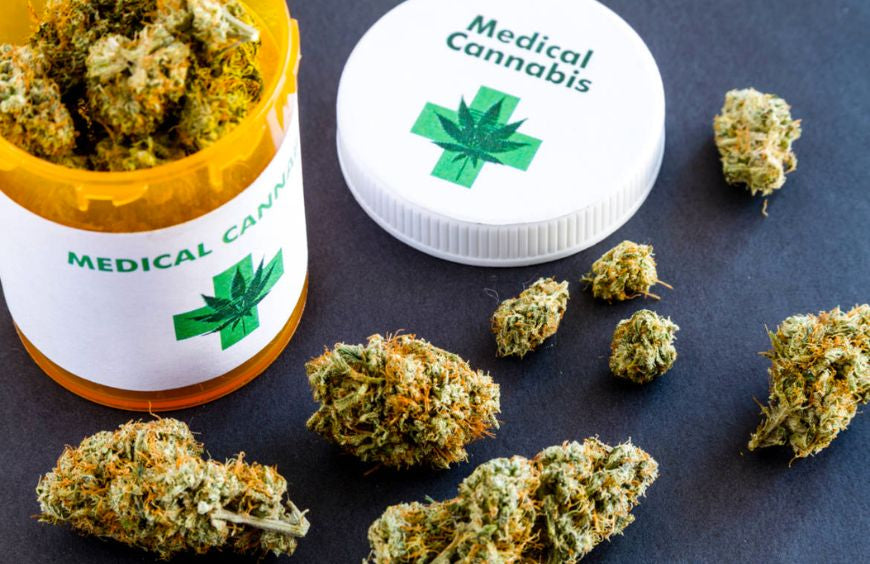
Since its introduction in France as an experimental medical treatment, medical cannabis has been the subject of growing interest. As it enters its third year of testing in the country, many questions still surround this new therapeutic approach. Medical cannabis, which involves the use of cannabis extracts for medical purposes, is generating both enthusiasm and skepticism within the medical community and society at large. What is medical cannabis? What are the conditions for its use in France? What results have been achieved so far? These are all questions that need to be answered in order to better understand the issues and challenges associated with this new form of treatment. In this article, we’ll take stock of medical cannabis in France, examining its regulatory aspects, its medical applications, and the future prospects of this promising approach.
When is medical cannabis used as a treatment?
The use of medical cannabis in France is strictly regulated by the National Agency for Medicines and Health Products Safety (ANSM). According to ANSM guidelines, medical cannabis may be prescribed only for five specific conditions. First, it may be used to treat neuropathic pain that is resistant to other therapies. Second, it may be prescribed for severe epilepsy that is resistant to conventional medications. In addition, medical cannabis may be used to treat certain intractable symptoms in oncology, such as pain and nausea. It may also be used to relieve painful spasticity associated with multiple sclerosis or other central nervous system disorders. Finally, medical cannabis can be used in palliative care to relieve symptoms associated with serious, advanced-stage illnesses.
It is important to note that medical cannabis is not a first-line treatment, but is offered when other treatments have proven ineffective or are poorly tolerated. According to Nathalie Richard, director of the medical cannabis project at the ANSM, “Cannabis is not a first-line treatment. It is offered when other treatments prove ineffective or are poorly tolerated.” The expected effects of medical cannabis include muscle relaxation to help patients cope with their condition, pain management, improved sleep, and other potential benefits.
It is also important to note that medical cannabis is not limited to adults but can also be used in children, particularly for the treatment of epilepsy. However, the use of medical cannabis in children is also strictly regulated by the ANSM and must be administered with caution and under appropriate medical supervision. In summary, the use of medical cannabis in France is limited to specific indications and is subject to rigorous oversight and regulation by the ANSM to ensure the safe and effective use of this new therapeutic approach.
Can patients apply to participate in a medical cannabis trial?
To participate in the medical cannabis pilot program in France, a patient must consult a doctor working at one of the 324 hospital reference centers listed on the website of the French National Agency for Medicines and Health Products Safety (ANSM). As of February 24, 2,462 patients had participated in this pilot program. Once the initial follow-up has been completed, the primary care physician can then take over. Medical cannabis is dispensed at pharmacies, whether in hospitals or in the community.
It is important to note that all healthcare professionals involved in the trial must have received prior training on the specific characteristics of the product to ensure the appropriate and safe use of medical cannabis.
In what form is medical cannabis treatment available?
Medical cannabis can be taken in the form of oil or dried flowers. The oil is generally used as a long-term treatment and is ingested, while the flowers are administered by inhalation using a specialized vaporizer, which heats the material to nearly 180 °C without combustion. There are three types of medical cannabis, distinguished by their ratios of tetrahydrocannabinol (THC) and cannabidiol (CBD), according to Nathalie Richard, director of the medical cannabis project at the ANSM. These include THC-dominant cannabis, used primarily as a pain reliever; CBD-dominant cannabis, used for its antiepileptic properties; and a balanced blend of THC and CBD. Dosage guidelines are based on experience from other countries, such as Canada and the Netherlands, where medical cannabis has been used for a long time.
It is important to note that medical cannabis must be prescribed on a secure prescription form and must not exceed a duration of twenty-eight days, in accordance with narcotics regulations. Furthermore, unlike over-the-counter CBD, the concentration and quality of the CBD used in medical cannabis are systematically monitored to ensure the safety and effectiveness of the treatment.
Where do medical cannabis products come from?
Medical cannabis products are primarily sourced through imports from countries such as Australia, Canada, Portugal, and Israel. These foreign suppliers must comply with strict standards set forth in detailed specifications, and each supplier partners with a French pharmaceutical laboratory to manage operations. In addition, the products are regularly tested by laboratories of the French National Agency for Medicines and Health Products Safety (ANSM) to ensure their quality, in accordance with pharmaceutical standards. However, it should be noted that a recent decree issued in February now authorizes the cultivation of medical cannabis in France, which could potentially change the exclusive import system in the coming years.
What are the results after two years of medical cannabis trials?
The two-year assessment of the medical cannabis pilot program is based on a national electronic monitoring registry called Recann, which is updated by healthcare professionals at each patient visit. This monitoring system collects accurate and comprehensive data on the benefits as well as the problems experienced by patients.
According to Nathalie Richard, no new risks were identified beyond those already known. During the first twenty months of the trial, 2,282 adverse events—including 59 serious cases—were reported in the registry. The main adverse effects are related to central nervous system disorders (dizziness, drowsiness, etc.), gastrointestinal problems (nausea, constipation, etc.), and psychiatric effects (depression, etc.).
With regard to the risk of addiction, there are very few cases in this context of enhanced monitoring, according to the data collected. It is important to note that Recann makes it possible to closely monitor adverse effects and adjust treatments accordingly, thereby contributing to the safety of patients using medical cannabis.
Thus, the two-year assessment of the medical cannabis pilot program shows that the data from the national monitoring registry are accurate and make it possible to identify adverse effects, without revealing any new major risks beyond those already known. The risk of addiction is also limited within the framework of this pilot program, which is subject to enhanced oversight.
No risk of abuse: The medical cannabis pilot program in France is under strict supervision to prevent any abuse.
In France, the sale and use of recreational cannabis are prohibited, even though the French are the heaviest consumers in Europe. However, medical cannabis is considered a medication and is subject to a pilot program approved by the National Assembly in late 2019. This pilot program is overseen by the National Agency for Medicines and Health Products Safety (ANSM) and is guided by a temporary scientific monitoring committee composed of doctors, patients, and representatives from pharmacovigilance.
Through this rigorous monitoring, the ANSM ensures that there is no drift toward the illicit use of medical cannabis in France. The data is recorded in a national electronic monitoring registry (Recann), which healthcare professionals update after each consultation and for each patient, enabling the detection of any adverse effects or potential problems. To date, the risks of misuse of medical cannabis in France have been minimized thanks to this enhanced monitoring system.
How effective is the treatment?
The effectiveness of the treatment is not being evaluated using precise figures as part of the ongoing pilot program. In fact, this pilot program is not a clinical trial designed to assess the risk-benefit ratio of medical cannabis, but rather to test new public policies. Nevertheless, doctors regularly ask their patients about their tolerance of the product and the improvements it brings during consultations, which take place at least once a month when the prescription is renewed. To date, 277 patients—12% of the total—have withdrawn from the trial due to the treatment’s ineffectiveness (statistics as of December 13, 2022). The feedback collected in the monitoring registry is generally encouraging, with positive results reported for painful spasticity associated with multiple sclerosis—particularly in terms of relief from spasms and pain—as well as good tolerance of the product, according to the latest report from the ANSM. In addition, a scientific committee meets regularly to discuss the benefits of medical cannabis and compare the information collected with the findings of similar studies in the field.
What are the reasons for extending the medical cannabis pilot program?
Originally scheduled to last two years, the medical cannabis pilot program has been extended until March 26, 2024, as health authorities are requesting additional information on its effectiveness. The goal for the coming year is to enroll new patients to collect a more significant amount of data. However, it should be noted that the scientific literature on medical cannabis, as well as the experience of other countries, is conclusive, as Nathalie Richard points out. Alongside the pilot program, several clinical trials are also underway in France. The conditions for covering the cost of medical cannabis have yet to be determined. The extension of this pilot program will thus allow for continued data collection to better evaluate its effectiveness and use in a medical context in France.
What can we conclude?
In conclusion, given the information gathered so far and the potential benefits of medical cannabis, it is essential that the pilot program continue and move forward in France. Although the extension of the pilot program may be due to the need to collect more data on its effectiveness, the existing scientific literature and the experience of other countries support its medical use. The encouraging results observed in some patients, along with ongoing clinical trials, underscore the importance of continuing to explore the therapeutic potential of medical cannabis for specific health conditions. It is therefore crucial to continue closely monitoring this trial and to promote research and a deeper understanding of the potential benefits of medical cannabis in France.