It’s not always easy to choose the right CBD oil, since the cannabinoid content varies widely from product to product. However, it’s important to know how much cannabidiol you’re consuming so you can adjust the dosage based on the desired effect. Here, we’ll explain how to use and dose your CBD oil!
How much CBD is in a bottle of oil?
In practice, the amount of CBD in a bottle of oil is expressed as a percentage: this means that a 10-ml bottle with a 5% concentration contains 500 mg of CBD, and a bottle labeled as 40% contains 4,000 mg.
To use and dose CBD correctly, it’s important to remember that the higher the percentage listed, the more concentrated the oil is in CBD. Knowing the dose of the active ingredient will help you estimate how much oil you should consume.
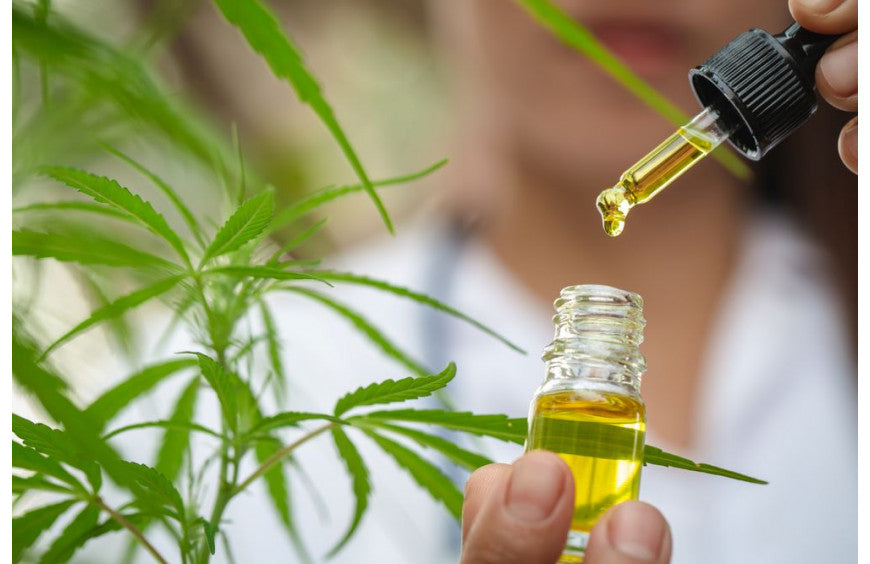
Most often, CBD oil is sold in a glass bottle equipped with a cap and a dropper, and the bottle typically holds about one milliliter (about 20 drops of oil).
For example, a 10-ml bottleof CBD oil contains a total of 200 drops: so you can divide the total amount of CBD in that bottle by the number of drops to find out the exact concentration ofCBD in a single drop!

How do I determine the right CBD dosage to get the most out of it?
Once you are able to calculate the CBD concentration in your oil, you can then determine the amount to take orally. Generally, it is recommended to start with a small dose of CBD so that you can gradually increase it as needed. For example, you can start with 5 to 10 mg and adjust the dosage gradually.
It’s important to note that there’s no “ideal” dosage for CBD: in fact, everyone reacts differently to cannabinoids, not only based on physical factors but also on their own individual sensitivity. How you dose your CBD will therefore vary depending on your body and the effects you’re hoping to achieve!
If you want to relieve mild stress, for example, a daily dose of 2.5 mg of CBD may be sufficient… If, on the other hand, this anxiety leads to more significant problems (insomnia, migraines, or other issues), the oral CBD doses will need to be higher—such as 40 to 140 mg per day.
Finally, it’s important to note that if you want to use CBD oil to relieve certain types of chronic pain, you’ll likely need a higher dosage. However, the dosages mentioned in this article are only guidelines, and it’s crucial to always adjust your CBD dosage on a case-by-case basis!
CBD and Side Effects
Contrary to what one might think, taking CBD carries little to no risk of side effects. In rare cases, some people may be more sensitive to it and experience mild discomfort. This can manifest as stomach upset (mild diarrhea), dry mouth, or fatigue. However, these symptoms are very rare and go away once the dosage is adjusted or CBD use is stopped entirely. If you have any concerns, don’t hesitate to consult your doctor.