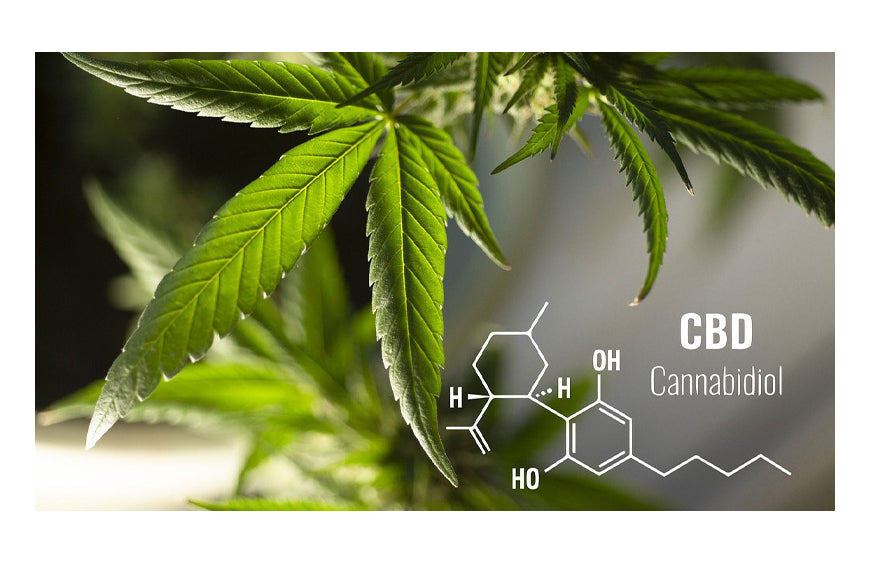
It is not widely known, but the hemp plant contains a wide variety of cannabinoids. THC and CBD are not its only secrets. CBN, or cannabinol, has been found to have equally significant potential health benefits: therapeutic benefits similar to those of CBD, far removed from the psychotropic effects characteristic of THC.
Given that CBD and CBN are similar, how can we tell them apart?
What is the true scope of CBN’s health benefits?
Why should we choose CBD at times and CBN at other times?
You'll find all the answers you're looking for in this article. From the definition of CBN to a comparison of the therapeutic effects of CBN and CBD, it covers everything. Details to follow.
CBD, a substance with therapeutic effects that needs no introduction
After a significant number of scientific studies—and, above all, lengthy debates—CBD has finally been legalized in France. This legalization is thus based on sound medical and scientific findings. On the one hand, it has been established that there are absolutely no dangers associated with potential side effects or any risk of addiction. On the other hand, the therapeutic effects of cannabidiol have been recognized, including by the WHO.
You can buy CBD at one of the many High Society stores, or on the brand’s website. You can choose from a variety of CBD-based products, depending on how you plan to use them or the CBD concentration you need. The e-liquids are perfect if you want to enjoy your CBD by vaping it, while CBD herbal teas and infusions are ideal for soothing, everyday use. Finally, if you’re looking for fast-acting effects or adjustable CBD strength, High Society CBD are the product for you.
All kinds of consumers find benefits in using CBD. Among its best-known potential therapeutic effects, CBD is said to have anti-inflammatory, pain-relieving, antidepressant, and relaxing properties, as well as the ability to relieve joint pain and boost metabolism. The list of CBD’s therapeutic effects is long, which is precisely what contributes to its popularity.
But CBN isn't to be outdone—far from it. Here are the unique benefits of CBN that are just as worth checking out.
The Equally Impressive Benefits of CBN
Cannabinol, or CBN, is one of the other cannabinoids found in the hemp plant. It is therefore a completely natural substance that offers various health benefits, just like CBD.
What makes CBN unique is the significant impact it is said to have on the quality of our sleep. Often referred to as the “sleep cannabinoid,” CBN appears to alleviate sleep disorders such as insomnia and increase the duration of the deep sleep phase. The deep sleep phase is precisely what makes our nights restorative. The longer it lasts, the more restorative our sleep will be. CBN thus stands out as the perfect ally for enjoying better nights and more energetic days.
Be careful not to dismiss CBN as merely a “sleep cannabinoid.” Its health benefits don’t stop there. In particular, it is believed to have the potential to stimulate appetite. In fact, more and more people suffering from anorexia or other eating disorders are turning to regular CBN use to manage their daily struggles. Another example involves its purported anti-inflammatory and vasodilatory properties, which may help relieve eye pressure and glaucoma.
Finally, people with asthma can also benefit from these effects, as CBN appears to relieve the respiratory and anxiety symptoms associated with asthma.
All of these benefits make CBN just as appealing as CBD—but for its own unique properties. With this in mind, High Society has developed a 2% CBN oil. With a CBN concentration of 2%, using this oil provides all the recognized benefits of CBN, without any side effects or risk of addiction.
CBD vs. CBN: What Are the Differences?
Generally speaking, it is undeniable that CBD and CBN have a great deal in common. From their anti-inflammatory properties to their pain-relieving effects, not to mention their ability to reduce stress levels, these two substances do indeed seem quite similar. However, this does not mean that they are completely identical, nor that CBN offers nothing new. On the contrary, the differences between CBD and CBN are just as striking.
First of all, CBD and CBN differ in their chemical composition. It’s important to note that CBD is initially CBDA, meaning it originates from enzymatic reactions in living plants. CBN, on the other hand, originates in cannabis flowers, the harvest of which is made possible by the oxidation of THC. Given these different origins, it follows that the two substances do not have the same chemical composition.
Another difference between them lies in how they affect our bodies. Both substances interact effectively with our endocannabinoid system, though not in the same way. For example, CBD has a strong stimulating effect on our brain, while CBN has no effect on it at all.
However, there are still very few studies on CBN compared to those on CBD. Given this, it seems inevitable that the comparison of the differences between CBD and CBN remains an ongoing topic. As more studies on CBN are conducted, its potential therapeutic health benefits will be highlighted, and the differences between it and other cannabinoids will become more apparent.