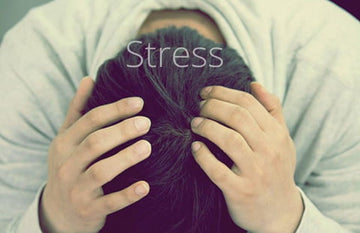
Everyone experiences stress at one time or another in their lives. But when it starts to interfere with our daily lives, it can develop into an anxiety disorder. About 30% of people suffer from this condition. Fortunately, stress is not inevitable, and there are several solutions available.
Stress: A Social Challenge
Stress is a scourge that permeates society in various ways. It manifests itself at work, at home, and in our relationships with others. The stress we feel can affect those around us. For the sake of society and ourselves, we should take the time to address it. Furthermore, stress is our body’s physiological response to unusual situations. Its purpose is to help us adapt and protect ourselves, improve our physical and mental performance, and motivate us—all of which are very positive outcomes.
In fact, stress has many effects and many causes. A stressful job, tight deadlines, and financial problems are just a few of the stressors we face in our daily lives. They may seem insignificant, but they are harmful to our health. However, it’s important to note that there are two types of stress: acute and chronic.
Effects of Chronic Stress on Health
The effects of stress are enormous. The reason is simple: when our nervous system feels threatened, the brain is stimulated. This produces adrenaline, which simultaneously activates the adrenal glands. To cope with stress, the adrenal glands also produce the hormones adrenaline and cortisol, which damage many organs. As a result, stress can cause unbearable anxiety and fear about everyday matters. When this happens, the brain cannot function normally.
In addition, symptoms of stress can affect your health even if you are not aware of it. Some people may think that an illness is the cause of headaches, frequent sleep disturbances, or decreased productivity. However, stress can also be the cause. Research shows that stress symptoms can affect the body, thoughts, and emotions, as well as behavior. Recognizing common stress symptoms can help you cope with them. Unmanaged stress can lead to a range of health problems, including high blood pressure, heart disease, obesity, and diabetes.
How can you measure your stress level?
Since everyone perceives stressful situations differently and laboratory tests are rarely meaningful, it is important to assess a person’s perception of stress using a more effective method. Dozens of different questionnaires are used to try to determine the nature of the stressful situation a person is facing. In general,the OASIS (Generalized Anxiety Disorder Severity and Impairment Scale) is a five-point self-report scale. It is used to assess the severity and impairment associated with one or more anxiety disorders. A study conducted in the United States used this stress measurement system to assess stress levels among veterans. Pre-treatment symptom scores and fitness-for-duty status predicted PTSD symptoms over time.
How is OASIS evaluated?
For each OASIS topic, you will be asked to select one of the five responses that best describes your experience over the past week. The responses are coded on a scale from 0 to 4, which together yield a score from 0 to 20. In the instructions, you are asked to reflect on your experience with “anxiety and fear” over the past week. Therefore, you must choose one of the five response options ranging from 0 to 4 for each item. Your total score will then be calculated. Once you have your result, you can find the solution best suited to your level of stress.
Solutions for Chronic Stress
Nervousness, muscle tension, insomnia... Chronic stress, as the name suggests, has a lasting effect on our entire body. Depending on the symptoms, there are different ways to manage stress. The most common are antidepressants and anti-anxiety medications, but they are not without side effects. So what can you do to find peace of mind if you’re chronically stressed? What solution should you turn to when facing such a high level of stress?
Unlike acute stress, chronic stress is unhealthy. When cortisol levels are out of balance, a phase of resistance begins. As a result, the body’s energy is overused, and the body weakens. Here are a few natural remedies to combat and relieve chronic stress:
Aromatherapy
Smell plays a unique role in the human body. More than any other sense, it is directly linked to the brain. Based on our sense of smell, our brain determines important information about our environment and how we should respond. For example, when we feel fear, our sense of smell is activated to detect threats.
To break this cycle, pleasant and reassuring scents can help. Eliminating odors associated with threat and replacing them with odors associated with comfort, pleasure, and safety can reduce anxiety. One study showed a strong link between inhaling a particular scent and reduced anxiety in certain patients.
Herbal Teas
If you’re feeling very anxious, drinking hot herbal teas can help in several ways. The ritual of sitting down and drinking tea or a hot beverage has a calming and healing effect on the body. This home remedy for anxiety works even better when you consider that studies show a positive correlation between drinking certain types of tea and reduced anxiety. In addition, some studies have shown that herbal teas can reduce feelings of anxiety. One such study shows that lavender teas can reduce anxiety in older adults. Preliminary studies on the long-term effects of chamomile on generalized anxiety disorder are also promising. Just imagine the combination of chamomile and CBD in a single herbal tea!
The Deep Breathing Exercise
This involves deep, slow abdominal breathing that engages the diaphragm. The rhythm and intensity of breathing have a direct effect on mental and physical well-being. Breathing supplies the body with oxygen. Many therapists and psychologists recommend breathing exercises to reduce anxiety and restore calm. One of the benefits of deep breathing (diaphragmatic breathing) is that it reduces the level of cortisol, the stress hormone, in the body.
What's more, this very promising technique will only take 3 minutes of your time. To do this, sit or stand comfortably and straighten your back. Pull your shoulders back and open your chest. Then, take a deep breath while counting to five, hold your breath, and exhale slowly. You can repeat this process 5 times.
Less caffeine
Caffeine is a stimulant, and anxiety is largely a state of overstimulation. Consuming caffeine affects anxiety. In fact, coffee has many other benefits beyond simply waking you up. It can also stir up our fears! When consumed in large quantities, it can increase stress and disrupt our sleep. Sleep deprivation can cause anxiety, which in turn can lead to insomnia. This leads to a vicious cycle.
Meditation
Meditation changes the structure of the brain, which can improve physical and mental health. This practice has been shown to help reduce anxiety. Many people report that it has a positive effect on mood and anxiety. To practice it, sit in the lotus position or cross-legged in a quiet place to de-stress and see things in a new light. Then straighten your back—this will help you breathe—and close your eyes. Breathe in and out deeply and release any stress you’re feeling. Stay like this for a few minutes.
Engaging in physical activity
Regular physical activity is one of the most recommended home remedies for chronic stress. It helps release endorphins, stimulates the mind, boosts self-confidence, and promotes social interaction. Although it’s not necessary to exercise every day, it’s recommended to exercise five days a week. Even a little exercise can have a positive effect on stress.
CBD Products
Saving the best for last! CBD is a compound derived from the hemp plant. It is one of the most studied and well-known cannabinoids on the market. With its many benefits, it is said to be an ideal ally for effectively reducing stress, whether chronic or acute. In fact, recent studies and trends suggest that CBD may be a potential solution for anxiety. However, further research is needed to understand for which conditions and under what circumstances CBD might be effective. Learn more here!
Conclusion
Stress is a normal part of human life. But if it occurs too often, is too intense, or is disproportionate, it can become a serious problem. High levels of anxiety can serve as a warning sign of potential danger and increase reaction time. When it becomes a daily occurrence, our bodies are constantly on the defensive. Therefore, measuring your stress level using the OASIS scale is a practical and easy approach. Based on your results, you can find the solution best suited to your situation. If you’re having trouble, seek professional help!