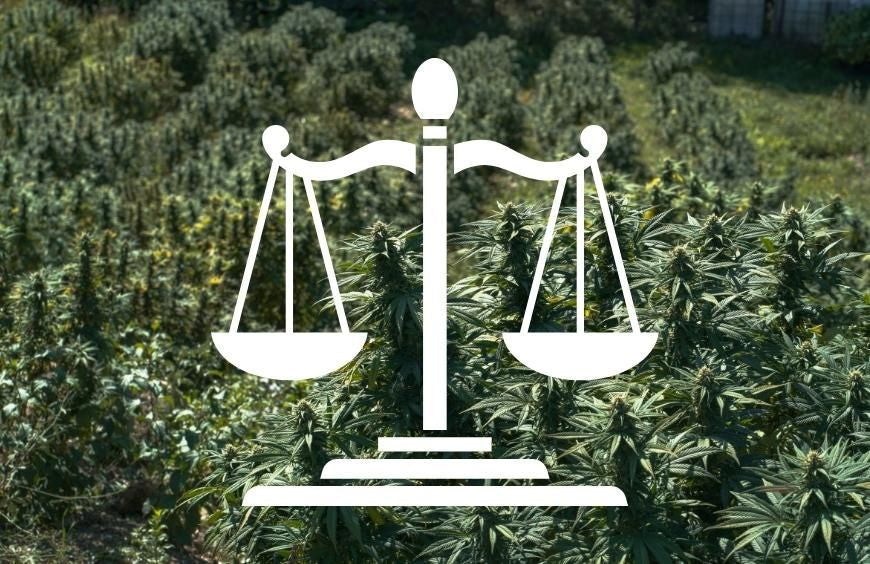
Cannabidiol (CBD) is a non-psychoactive component of cannabis that is attracting growing interest due to its potential therapeutic properties. However, the legality of CBD varies considerably from one country to another, and it is important to understand the legal and regulatory differences in place in the world’s major countries. In some countries, such as the United States and Canada, CBD is widely available and considered legal if it is produced from industrial hemp and its THC content (the psychoactive component of cannabis) is below a certain threshold. Other countries, such as China and Russia, have stricter regulations on CBD and have classified it as an illegal substance. Finally, in other countries, such as the United Kingdom, the legal status of CBD is unclear and constantly evolving. It is therefore important to understand local regulations and comply with applicable laws before consuming or selling CBD. Find more information in this article.
North America
In North America, the legal status of CBD is complex and constantly evolving. In the United States, the legality of CBD depends on the plant’s origin and its THC content. CBD produced from industrial hemp and containing less than 0.3% THC is considered legal under the Agricultural Hemp Act of 2018. However, federal law continues to classify cannabis as a controlled substance. This creates a complex situation for CBD producers and consumers.
In Canada, CBD is legal if it is produced from industrial hemp and has a THC content of less than 0.3%. The Canadian government also legalized recreational cannabis in October 2018, making CBD more accessible to Canadian consumers.
Although CBD produced from industrial hemp is legal in both countries, regulatory challenges still exist for producers and consumers. Federal and local governments continue to work on implementing regulations to govern the production, marketing, and consumption of CBD. CBD producers are subject to strict quality, compliance, and testing requirements, which can result in additional costs for businesses. Consumers are faced with a wide variety of products of varying quality, which can make it difficult to find high-quality products.
South America
In South America, the legal status of CBD varies considerably from country to country. Some countries, such as Brazil and Chile, have adopted a relatively liberal approach to cannabis and its components, including CBD. In Brazil, for example, CBD is considered legal if it is produced from industrial hemp and has a THC content of less than 0.2%. In Chile, CBD is also legal, even if it is produced from cannabis plants containing higher levels of THC.
Other countries, such as Argentina, have adopted a more restrictive approach to cannabis and its components, including CBD. Initially, CBD was not considered legal in Argentina, but since the legalization of cannabis for medical purposes in 2017, CBD can be obtained legally with a doctor’s prescription.
Finally, there are countries, such as Colombia, where the legal status of CBD is constantly evolving. In 2016, Colombia legalized the cultivation and production of industrial hemp for CBD production, but regulations remain unclear, and consumers are faced with a wide variety of products of varying quality.
Europe
In Europe, the legal status of CBD is relatively consistent, but varies slightly from country to country. Most European countries consider CBD to be legal if it is produced from industrial hemp and has a THC content of less than 0.2%.
In Germany, CBD is considered legal and is becoming increasingly popular as a dietary supplement or natural remedy. In Italy, CBD is also legal, but the regulations are still unclear for certain products, such as CBD e-liquids.
In the United Kingdom, CBD is considered legal if it is derived from industrial hemp and has a THC content of less than 0.2%. However, the regulations remain unclear for certain products, such as CBD-based cosmetics.
In Ireland, CBD is considered legal if it is produced from industrial hemp and has a THC content of less than 0.2%. However, the regulations remain unclear for CBD cosmetics and CBD edibles.
In France, CBD products are permitted provided they contain less than 0.3% THC.
Africa
The legal status of CBD in Africa varies considerably, with regulations differing from country to country. In some countries, CBD is considered legal if it is produced from industrial hemp and its THC content is less than 0.2 percent. In other countries, CBD is considered illegal and is banned.
In South Africa, CBD is considered legal if it is produced from industrial hemp and has a THC content of less than 0.2%. However, regulations remain unclear for certain products, such as CBD cosmetics and edibles.
In Egypt, CBD is considered illegal because of its association with cannabis. CBD products are banned, and the possession, production, and sale of products containing CBD are subject to criminal penalties.
In Tunisia, CBD is considered legal if it is produced from industrial hemp and its THC content is less than 0.2%. However, the regulations remain unclear for certain products, such as CBD cosmetics and edibles.
Russia
In Russia, the legal status of CBD is somewhat ambiguous. Although cannabis is illegal in the country, the laws regarding CBD are not clearly defined. However, some sources indicate that CBD is not considered illegal if it is produced from industrial hemp and its THC content is less than 0.2%.
In 2018, the Ministry of Health of the Russian Federation issued a statement indicating that CBD was not considered a psychoactive substance and was therefore not subject to drug laws. However, authorities continue to conduct investigations and seize products containing CBD, suggesting that the legal status of CBD in Russia remains uncertain.
It is important to note that the situation is changing rapidly, and CBD users in Russia are encouraged to stay informed about the latest regulations. It is also recommended that you do not consume or sell CBD unless you are certain that it is permitted under current laws.
Asia
The legal status of CBD in Asia varies considerably from one country to another. In some parts of Asia, CBD is considered legal if it is produced from industrial hemp and has a THC content of less than 0.2 percent, while in other countries, it is considered illegal and is strictly prohibited.
In China, CBD is considered legal if it is produced from industrial hemp and has a THC content of less than 0.2%. The same is true in Japan. In India, CBD is considered legal if it is produced from industrial hemp and has a THC content of less than 0.3%.
In Thailand, CBD is considered illegal because of its association with cannabis. CBD products are banned, and the possession, production, and sale of products containing CBD are subject to criminal penalties. CBD products are available on the Asian market in the form of food, cosmetics, and other products.
In Japan, the laws regarding CBD are very strict. All products containing CBD are considered narcotics and are illegal, including those derived from industrial hemp. Travelers who attempt to import products containing CBD may face criminal prosecution and be sentenced to up to 10 years in prison. It is therefore strongly discouraged to travel to Japan with products containing CBD, even if such products are legal in your home country.
Oceania
The legal status of CBD in Oceania varies from country to country. In some countries, CBD is considered legal if it is derived from industrial hemp and has a THC content of less than 0.2 percent, while in others, it is considered illegal.
In Australia, CBD is considered legal if it is produced from industrial hemp and has a THC content of less than 0.2%. Australian health authorities have established strict regulations for CBD products to ensure consumer safety.
In New Zealand, CBD is also considered legal if it is produced from industrial hemp and has a THC content of less than 0.2%.
In Papua New Guinea, CBD is considered illegal because of its association with cannabis. CBD products are banned, and the possession, production, and sale of products containing CBD are subject to criminal penalties.
In conclusion, it is crucial to familiarize yourself with a country’s CBD laws before traveling, even for a layover. CBD laws vary significantly from one country to another, and violations can result in severe penalties, including imprisonment. By taking the time to learn about the applicable laws, travelers can avoid legal problems and potentially serious consequences.