Compared to cannabis, which is known to carry a risk of addiction, CBD offers a new, legal, and—above all—safe way to consume hemp. Its legalization in France was a long and arduous process, but it was ultimately successful. Cannabidiol is thus not classified as a narcotic, a category that includes THC.
But does that mean that using CBD is completely safe?
What about its potential side effects on health?
And what about the risk of an overdose?
CBD, proper dosage, and overdose: Here are all the details you need to know.
Does CBD have any harmful side effects on health?
CBD is one of the cannabinoids found in the hemp plant, along with THC and CBN. As such, it is said to offer a range of health benefits, but it also has certain contraindications.
Strictly speaking, it has no dangerous side effects on health—quite the opposite, in fact. However, doctors agree that it is important to consider the main contraindications associated with cannabidiol use in order to avoid any risk of an adverse reaction. For example, people with heart conditions are advised against using cannabidiol. This is because CBD may stimulate the cardiovascular system, which is already too fragile for those with heart disease. Another example involves pregnant and breastfeeding women. There is still far too little scientific data available; however, during pregnancy or breastfeeding, even the smallest amount of a substance ingested by the mother is passed on to the infant, who is particularly vulnerable. Pregnant and breastfeeding women are therefore strongly advised against using CBD, even in small doses. The identified risks are as follows:
- an increased risk of miscarriage,
- an increased risk of ectopic pregnancy,
- cognitive delay in the baby,
- growth retardation and low birth weight.
However, keep in mind that these are just a few examples of contraindications—combinations that should be avoided to prevent uncontrolled side effects. It is therefore important to clearly distinguish these contraindications from an overdose. We are not talking about an overdose here, because no, it is not possible to overdose on CBD.
CBD and Medications: An Interaction to Avoid
The medications. They have their own effects on our bodies, as well as potential side effects and contraindications. When combining CBD with medications, the greatest risk is that the medications’ effects may be altered or even negated. This, in turn, can have serious health consequences.
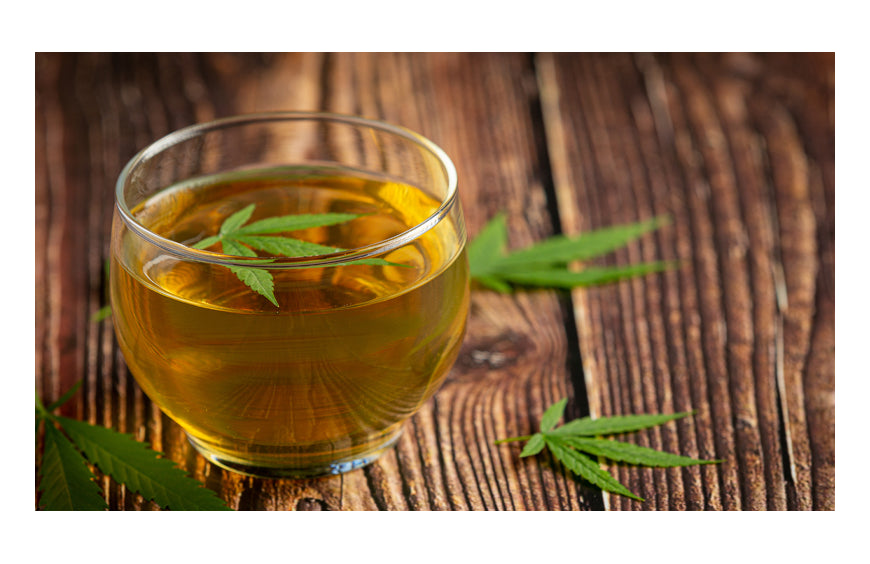
It’s important to understand that when metabolizing both cannabidiol and medications, our body is unable to focus on both substances at the same time. Recent studies have shown that the body prioritizes CBD molecules over medications. The result? Our body will focus its efforts on metabolizing the components of CBD. This prioritization by the liver will result in a sort of inhibition of the medications’ effects. This is all the more dangerous if the medications are intended to treat a serious condition. Therefore, even if you’re simply drinking a cup of CBD tea, it’s best to space it out from when you take your regular medications.
CBD: No Risk of Overdose
Before discussing overdose, it’s helpful to distinguish CBD from its cousin, THC. It’s undeniable that THC is primarily consumed for its psychotropic effects and the sense of euphoria it provides. However, it’s important to note that it carries a high risk of addiction, as well as harmful side effects such as changes in heart rate or paranoia.
Cannabidiol, or CBD, on the other hand, is radically different in these respects. It does not have the same effect on our bodies at all. To go into more detail, while THC has a harmful effect on our brainstem, CBD, on the other hand, poses no such danger. The same is true of its risk of addiction, which is zero.
It is important to keep in mind that CBD has been legalized in France, following numerous scientific studies confirming that its use poses no health risks. This legalization was made possible in particular by the fact that CBD has no psychoactive effects and causes no serious effects on the body, such as changes in breathing or blood pressure.
Key fact: Legally sold CBD contains less than 0.3% THC. All of this information therefore confirms that CBD does not fall under the category of narcotics, that it poses no health risks, and, most importantly, that it is not possible to overdose on it.
Tips for Finding the Right Daily CBD Dosage
By definition, an overdose occurs when a substance is consumed in extremely high and excessive amounts, leading to bodily failure or even the risk of death.
There are no specific dosage recommendations for CBD use. On the contrary, the dosage varies widely depending on various factors, such as body weight, usage habits, specific needs—such as severe pain or simple temporary fatigue—and the frequency of use. As a general rule, it is estimated that you should use between 1 and 5 mg per 5 kilograms of body weight.
The main piece of advice for first-time users is to start with a small dose, using products with a low CBD concentration. The dose can then be gradually increased until the desired effects are achieved. Also keep in mind that, regardless of your method of use, youcan alwaysincrease the CBD concentration of your product instead ofincreasing the dose.