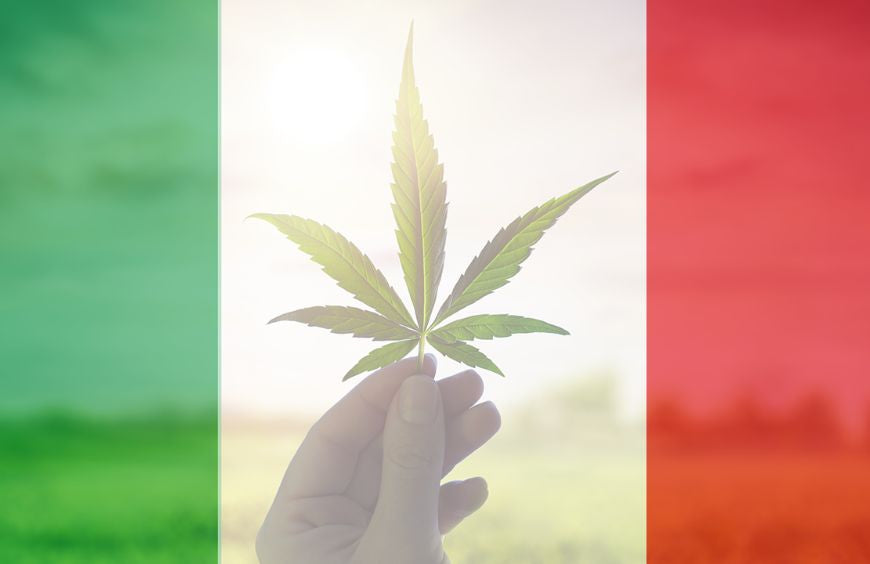
In recent years, cannabidiol (CBD), a non-psychoactive compound found in cannabis, has garnered growing interest among consumers seeking natural alternatives to conventional medications. In Italy, the sale of CBD flowers was previously considered illegal, despite the availability of CBD-derived products such as oils and capsules. However, the Italian government recently gave the legal green light for the sale of hemp flowers containing THC levels below 0.6%, paving the way for a new and thriving industry for Italian producers and retailers.
This historic decision has been welcomed by CBD advocates, who believe this measure will help reduce the black market and the use of illegal drugs. CBD flowers are often used for medicinal purposes to relieve sleep problems, stress, and pain. However, the legalization of CBD flowers has not been without controversy, with concerns regarding product quality and safety, as well as the potential impact on public health.
The History of Cannabis and CBD Use in Italy
Cannabis use in Italy dates back several decades, but its medical use began to be authorized in the 1990s. However, it is only in recent years that CBD, or cannabidiol, has become increasingly popular in Italy. CBD is a non-psychoactive compound extracted from hemp, which is a type of cannabis containing low levels of THC, the psychoactive compound responsible for the “high” associated with marijuana.
Initially, the sale of CBD-based products in Italy was quite limited and strictly regulated. However, in 2019, the Italian Ministry of Health began to reconsider its stance on CBD, deciding to allow the sale of products containing less than 0.6% THC without a prescription. This decision paved the way for a new era in Italy’s CBD industry.
As a result, a large number of stores specializing in CBD have sprung up across the country. The most popular CBD products in Italy are CBD oils, capsules, creams, and flowers. Italians have quickly embraced these products for their potential health benefits and therapeutic properties.
The Italian CBD market continues to grow and expand, with new products and companies entering the market on a regular basis. The recent decision authorizing the sale of CBD flowers in Italy has opened up new opportunities for entrepreneurs in the cannabis and CBD industries. As the market expands and the sale of these products becomes more mainstream, consumers have increasing access to high-quality, safe options for their health and well-being.
History and Evolution of Cannabis Legislation in Italy
In Italy, cannabis use dates back to the late 1960s and early 1970s, when the student movement—largely inspired by the events of May 1968 in France—began to spread. Cannabis became one of the most popular substances, particularly among young people.
In 1975, Italy passed the Drug Law, which classified cannabis as an illegal drug. The penalties for possession and sale of cannabis were very severe, carrying sentences of up to 20 years in prison.
However, over the years, Italy's stance on cannabis has begun to change. In 1990, the Fini-Giovanardi Law was passed, tightening drug laws. This led to harsher penalties and a stricter enforcement policy.
In 2006, the Turco-Napolitano Act was enacted, introducing provisions to distinguish between the possession of drugs for personal use and the possession of drugs intended for sale. This law reduced the penalties for the possession of small quantities of drugs intended for personal use.
However, despite this slight opening, Italy remained one of the most restrictive countries in Europe with regard to cannabis. The cultivation, possession, and sale of cannabis were strictly prohibited, and the country lagged behind other European nations in regulating cannabis for medical and recreational use.
Efforts to liberalize the law began to bear fruit in 2013, when the Italian Constitutional Court struck down a law that imposed mandatory sentences for drug possession. This decision led to a reform of Italy's drug laws.
In 2016, Law No. 242 was enacted, which permitted the cultivation of industrial hemp for commercial purposes, but only for the production of fibers and seeds. This law thus limited the production of hemp to industrial purposes.
However, with the recent decision by the regional administrative court authorizing the sale of hemp flowers in Italy, the country has taken another significant step toward normalizing its CBD market.
The sale of hemp flowers is now permitted in Italy: a step toward normalizing the CBD market
The implications of the Lazio Regional Administrative Court’s decision to authorize the sale of the entire hemp plant in Italy are significant for the CBD industry. Here are the details:
Varieties of hemp flowers available on the Italian market
The decision by the Lazio Regional Administrative Court means that hemp flowers, which contain high levels of cannabidiol (CBD), can be used in CBD-derived products in Italy. This decision has been welcomed by CBD producers and consumers, as it allows for a more efficient, economical, and sustainable use of the plant. The varieties of hemp flowers available on the Italian market include those rich in CBD, terpenes, and other cannabinoids. The diversity of available varieties allows consumers to choose the one that best suits their needs and preferences.
Pros and Cons of Legalizing CBD Flowers in Italy
Although the decision by the Lazio Regional Administrative Court has paved the way for a more comprehensive use of the hemp plant, it is important to note that this does not mean CBD flowers are exempt from regulation. The production and sale of CBD flowers must comply with the quality and safety standards established by law. Furthermore, the legalization of CBD flower sales may have both advantages and disadvantages for the industry. On the one hand, it allows for a more comprehensive use of the plant and offers economic opportunities for producers and consumers. On the other hand, legalization may lead to increased competition and lower prices, which could affect small producers. Furthermore, regulation can be complex and costly for businesses, particularly those seeking to export their products.
Overall, the decision by the Lazio Regional Administrative Court has opened up new opportunities for the CBD industry in Italy. However, for this industry to continue to grow, it is important that producers and businesses comply with the quality and safety standards established by law. Consumers must also be aware of the advantages and disadvantages of the legalization of CBD flowers.
The Potential Effects of Legalizing CBD Flowers on Public Health in Italy
The potential effects of legalizing CBD flowers on public health in Italy are a major topic of debate. Although CBD use is not considered harmful to health, some concerns have been raised regarding its long-term health effects. Legalizing CBD flowers could encourage CBD use in Italy. This could lead to unwanted side effects.
Supporters of legalizing CBD flowers argue that this could help reduce the consumption of illegal cannabis. Indeed, users might prefer to buy legal, high-quality products rather than obtain them from illegal sources. This could also help reduce problems related to organized crime and related illegal activities.
However, critics argue that legalizing CBD flowers could encourage greater consumption of cannabis overall, including illegal products containing THC. Furthermore, there is growing concern about the quality and safety of CBD products, as there are still no strict regulations governing CBD products in Italy. Products containing THC may also be sold under the guise of CBD products. Indeed, this could lead to public health issues.
In addition, CBD use can also cause unwanted side effects, including nausea, drowsiness, fatigue, anxiety, and confusion—especially when taken in large amounts. Although CBD is generally considered safe, it can interact with certain medications, so it is important for users to consult their doctor before using it.
Overall, the legalization of CBD flowers in Italy presents both potential benefits and drawbacks for public health. It is important for Italian authorities to closely monitor the effects of this decision on CBD consumption and take steps to protect public health, particularly by further regulating the production and sale of CBD products.
What can we conclude?
In conclusion, the authorization of CBD flower sales in Italy is an important decision that could have positive consequences for the Italian CBD market. Although the regulations still need to be clarified, consumers will now have access to a wider variety of CBD products, which could also boost the hemp industry and create new jobs.
However, caution is warranted. Clear regulations must be put in place to ensure consumer safety. The authorities must also ensure that the legalization of CBD flowers does not contribute to the normalization of recreational cannabis use.