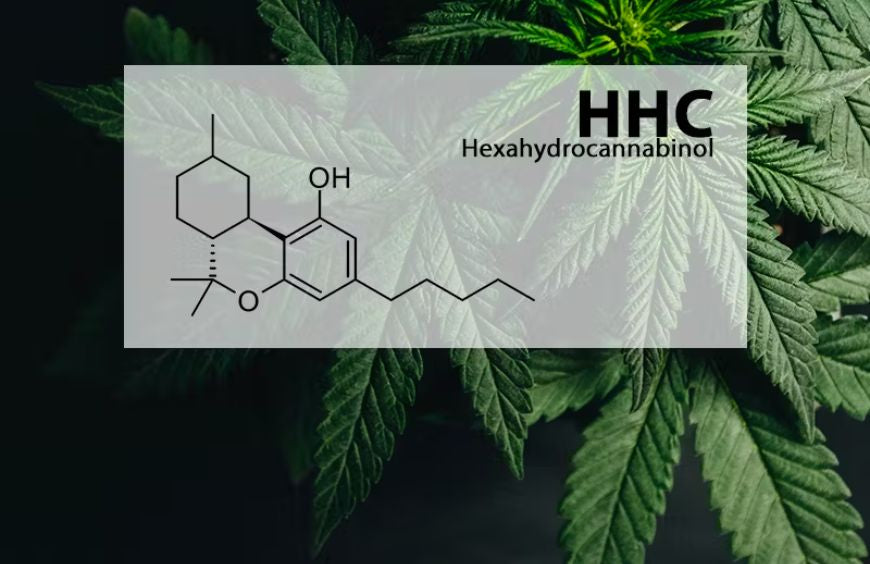
What is HHC, and what are its effects?
HHC, also known as hexahydrocannabinol, is a synthetic molecule produced by the hydrogenation of THC, the main psychoactive component of cannabis. As a member of the synthetic cannabinoid family, HHC belongs to a group of chemicals that mimic the effects of cannabinoids naturally found in the cannabis plant, such as THC and CBD.
HHC shares many similarities with THC in terms of effects, but also has some distinct differences. When consumed, HHC is said to induce a sense of well-being, relaxation, increased appetite, and altered sensory perception. Some users even report that HHC gives them an energizing and stimulating effect. It acts on the same brain receptors as THC, but with lower affinity, meaning it binds less easily and is relatively less potent.
It should be noted that, since HHC is a synthetic molecule, its composition and purity may vary from one product to another. Consequently, the effects experienced may also vary depending on the quality and concentration of HHC in each product. It is essential to exercise caution when consuming HHC and to educate yourself about the origin and characteristics of the products available on the market.
As HHC continues to grow in popularity, it is crucial to learn more about its potential effects, its interactions with other substances, and the precautions to take for responsible use.
What are the different types of drug screening tests?
When it comes to detecting the presence of substances such as HHC, several types of drug tests are used, which differ in terms of the method of sample collection and the detection window.
- Saliva tests: These tests are conducted by collecting a saliva sample to detect the presence of THC. They are generally able to detect recent use—within a few hours of consumption. Saliva tests are commonly used by law enforcement during traffic stops or in the workplace.
- Urine Tests: Urine tests can detect the presence of HHC in urine. They have a wider detection window, extending up to several days after use. Employers, doctors, and courts often use these tests to assess illicit substance use.
- Blood tests: These tests involve drawing a blood sample to detect the presence of HHC. Blood tests have a relatively short detection window, typically a few hours after consumption.
- Hair Tests: Hair tests are based on the analysis of a hair sample to determine the presence of HHC. These tests have a broader detection window, capable of detecting HHC even several months after use. They are often used to assess chronic or occasional HHC use.
The length of time HHC can be detected depends on several factors, such as the amount consumed, frequency of use, individual metabolism, route of administration, and interactions with other substances. Generally, it is estimated that HHC can be detected in saliva for 2 to 6 hours, in urine for 3 to 15 days, in blood for 2 to 6 hours, and in hair for 3 to 6 months after consumption.
It is therefore essential to take these different detection methods and their respective detection windows into account. It is strongly recommended that you avoid using HHC before driving or engaging in any activity that requires heightened alertness, in order to ensure safety and avoid potential legal consequences.
Is HHC detected in drug screening tests?
Drug screening tests generally do not detect the presence of HHC, as this compound is not specifically targeted by these tests. In fact, the two HHC compounds, HHC-9S and HHC-9R, do not share enough molecular similarities with THC to be identified by commonly used screening tests.
The fact that HHC is legal in France also contributes to its absence from drug tests. Since HHC is not considered an illegal drug, it is not included in the list of substances screened for by standard drug tests.
It is important to note that drug screening tests are designed to specifically detect certain substances, such as THC, cocaine, opioids, or other illicit drugs. HHC, as a relatively new synthetic cannabinoid, is not included on this list.
However, it is important to note that drug screening tests may evolve over time to include new substances, depending on legislative developments and public health concerns. It is therefore always a good idea to stay informed about any updates regarding drug screening tests and the substances they are capable of detecting.
In conclusion, if you use HHC and are subjected to a standard drug test, it is unlikely that this substance will be detected. However, it is important to remember that drug testing policies and practices may vary, so it is always recommended that you comply with applicable laws and consult the specific regulations of your country or employer.
Is HHC detectable in a urine test?
When it comes to urine tests, HHC manages to evade detection because it breaks down into metabolites that are different from those produced by THC and are undetectable in commonly used urine tests.
When HHC is metabolized in the body, it undergoes chemical transformations that result in specific metabolites. These HHC metabolites differ significantly from those produced by THC, making them difficult, if not impossible, to detect in standard urine tests.
This means that even if a person has used HHC and is tested via a urine test, HHC metabolites will not be detected. This is because the tests are designed to specifically detect THC metabolites.
It is important to understand that drug screening tests are often designed to detect specific substances, such as THC or other illicit drugs. Because of its distinct chemical properties and its legal status in France, HHC is not included in the list of substances detected by standard urine tests.
How long does HHC stay in the body?
The length of time that HHC remains detectable in the body varies depending on several factors, such as the amount consumed, frequency of use, and individual metabolism. Generally speaking, HHC can be detected in the body, blood, and urine for a period ranging from 48 hours to 30 days after consumption.
It is important to note that people who consume small amounts of HHC can clear the substance from their system more quickly, often in as little as 48 hours. However, for regular users or those taking higher doses, HHC may remain in the body for a longer period of time.
The detection of HHC in blood and urine also depends on the tests used, their sensitivity, and the screening method employed. Urine tests generally have a wider detection window, ranging up to 30 days, while blood tests can detect the presence of HHC for a shorter period, typically up to 48 hours.
It is important to take these variations into account and to understand that the length of time HHC remains in the body can vary from person to person. It is therefore essential to be aware of your own consumption habits, to take precautions, and to comply with the specific drug regulations in your country or field of activity.
Conclusion: Is HHC detected in a test?
In conclusion, it is unlikely that HHC will be detected in a standard drug test. Since HHC is a synthetic cannabinoid and is not considered an illegal drug in France, it is generally not included in commonly used drug tests.
Screening tests are designed to detect specific substances, such as THC and other illicit drugs, and their associated metabolites. HHC, with its distinct metabolites and molecular differences from THC, will not be detected by these tests unless they are specifically designed to detect HHC.
However, it is important to note that drug testing policies and practices may change over time. As new substances enter the market or raise public health concerns, drug tests may be adjusted to include them.
It is therefore essential to stay informed about the latest developments in drug testing and to comply with the regulations in effect in your country or industry. If you have any questions or concerns regarding the detection of HHC in a test, it is recommended that you consult a healthcare professional or specialized resources to obtain accurate and up-to-date information.