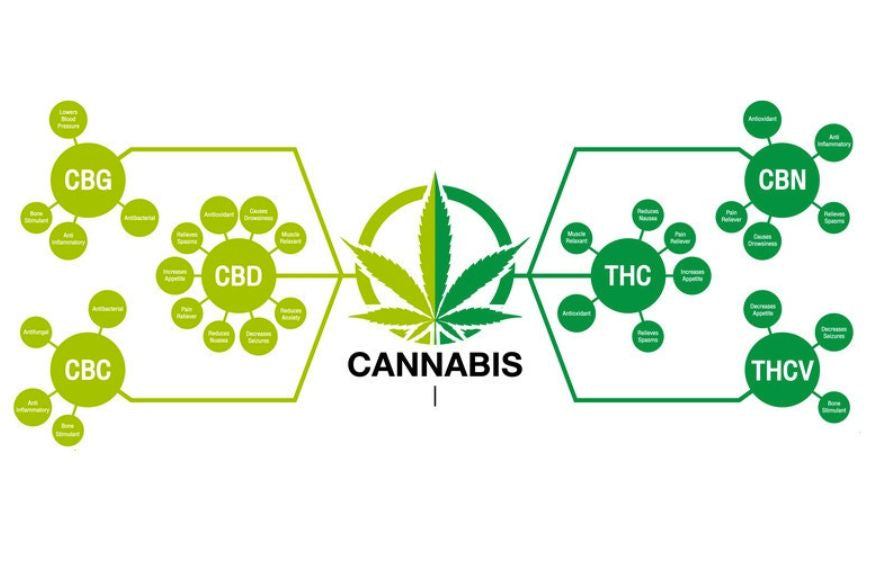
The hemp industry in the United States has been growing rapidly in recent years, driven by increasing interest in the therapeutic properties and industrial applications of cannabis. Against this backdrop, genetic research has emerged as a key area for optimizing cannabinoid production in hemp, improving the quality of hemp-derived products, and contributing to the regulation of the industry. This article will explore scientific advances in understanding the genetic regulation of cannabinoid biosynthesis, collaborations with universities and research institutes, and the implications for hemp cultivation and the cannabis industry.
Introduction: The growing importance of genetics in cannabinoid synthesis and the rise of hemp cultivation in the United States.
Industrial hemp cultivation is experiencing massive growth in the United States due to new federal laws and growing consumer demand. The 2018 Farm Bill allowed researchers to conduct tests on hemp and enabled growers to produce plants with a THC concentration of less than 0.3% on a dry weight basis. In 2021, hemp was grown on 54,000 acres, with a value of more than $824 million, according to the U.S. Department of Agriculture. This expansion of hemp cultivation offers new opportunities for research into plant genetics and the regulation of genes responsible for cannabinoid biosynthesis.
In partnership with York University in Canada and the Institute for Advanced Learning and Research in Danville, Virginia, researchers from the College of Agriculture and Life Sciences have received a $600,000 grant to study the regulation of gene expression in the enzymes responsible for cannabinoid biosynthesis. A better understanding of these processes could lead to improved selection or modification of plants with specific cannabinoid content. This could increase profits and reduce risks for growers, as crops containing more than the permitted level of THC must be destroyed.
Cannabinoids are becoming increasingly important to the pharmaceutical industry because they are used to relieve pain, anxiety, epilepsy, and cancer. However, the regulation of the cannabinoid synthesis pathway in hemp—particularly that of THC and CBD—is not yet well understood. Researchers plan to map the relationship between the transcription factors that activate or deactivate the genes encoding the enzymes responsible for cannabinoid biosynthesis, measure the effect of manipulating these factors, and create cells and hemp plants with modified profiles. The goal is to find ways to manipulate biosynthesis to produce other cannabinoids, such as CBG and CBN, which could have greater economic value than the cannabinoids currently found in hemp crops.
Regulatory changes promoting hemp research and plant production
Hemp regulation in the United States has evolved in recent years, paving the way for increased research on this versatile plant. In fact, hemp—a variety of cannabis with a tetrahydrocannabinol (THC) content of less than 0.3%—is now recognized as a legal crop in many U.S. states. This regulatory shift has facilitated the establishment of research programs on hemp genetics and the production of hemp plants for industrial, medical, and other purposes. Researchers are taking a close interest in hemp genetics to understand the mechanisms of cannabinoid biosynthesis and optimize the production of these key chemical compounds. This genetic research opens up new prospects for the hemp industry, with implications for the quality, variety, and sustainability of the hemp plants produced.
Regulatory changes have also encouraged the production of hemp plants for industrial purposes. Hemp is used to manufacture a variety of products, such as textiles, building materials, bioplastics, cosmetics, dietary supplements, and many others. Genetic research on the regulation of hemp plant growth and development makes it possible to optimize:
- agronomic characteristics,
- resistance to diseases and pests,
- as well as the quality of the fibers and seeds produced by the hemp plants.
These advances are helping to improve the productivity and profitability of industrial hemp cultivation, thereby contributing to the growth of this industry in the United States.
In addition, genetic research on hemp also has implications for the production of hemp plants for medical purposes. Cannabinoids, such as cannabidiol (CBD) and cannabigerol (CBG), have shown strong therapeutic potential for various medical conditions, such as:
- epilepsy,
- chronic pain,
- anxiety,
- and other conditions.
Genetic research makes it possible to optimize the production of these cannabinoids in hemp plants by modifying biosynthetic pathways and selecting the most suitable strains. This makes it possible to produce hemp plants rich in specific cannabinoids for medical applications, thereby offering more targeted and effective treatment options for patients.
A collaboration with York University and the Institute for Advanced Research to study the genetic regulation of cannabinoid biosynthesis.
The collaboration between York University and the Institute for Advanced Research to study the genetic regulation of cannabinoid biosynthesis represents a major breakthrough in hemp genetics research in the United States. This collaboration has opened up new avenues for better understanding the complex mechanisms involved in cannabinoid production in the hemp plant.
Researchers at York University and the Institute for Advanced Research have undertaken in-depth studies aimed at elucidating the biosynthetic pathways of cannabinoids in hemp and understanding how these pathways are genetically regulated. Cannabinoids, such as cannabidiol (CBD) and tetrahydrocannabinol (THC), are chemical compounds found in hemp that have medicinal and recreational properties. Understanding the genetic mechanisms that control their production could lead to the development of hemp varieties optimized for the production of these specific compounds.
Researchers are using advanced techniques in genomics, transcriptomics, and genetic engineering to study the genes involved in cannabinoid biosynthesis and their regulation. They are analyzing differences in gene expression between cannabinoid-rich and cannabinoid-poor hemp varieties, as well as the effects of various environmental factors on this genetic regulation. This research provides a better understanding of how genes are activated or deactivated to produce cannabinoids, and how these processes can be modified to increase cannabinoid production in hemp.
The results of this research are promising and may have significant implications for the hemp industry. By better understanding the genetic regulation of cannabinoid biosynthesis, it may be possible to develop hemp varieties with specific cannabinoid profiles, thereby meeting the specific needs of the pharmaceutical, food, or cosmetics industries. This could also improve the profitability of hemp cultivation by maximizing the production of high-quality cannabinoids.
The implications of the research for hemp cultivation and the cannabis industry.
Research on the genetic regulation of cannabinoid biosynthesis in hemp has major implications for hemp cultivation and the cannabis industry in the United States. By better understanding the genetic mechanisms involved in cannabinoid production, it is possible to develop hemp varieties optimized for the production of specific cannabinoids, such as CBD or THC, based on the industry’s needs.
Cultivating high-quality, cannabinoid-rich hemp varieties can increase the profitability of hemp farming by enabling growers to produce plants with higher cannabinoid levels, thereby meeting the growing demand for these compounds in various sectors, such as:
- medicine,
- diet
- and cosmetics.
Research on the genetic regulation of cannabinoids can also help optimize cultivation and production methods to maximize cannabinoid production while minimizing the production of other undesirable compounds in the hemp plant.
In addition, this research can also help improve the quality and safety of hemp-based products by providing a better understanding of the cannabinoid profiles of different hemp varieties and enabling the selection of those that meet the required quality standards. This can benefit the pharmaceutical, food, and cosmetics industries, which require specific levels of cannabinoids in their products.
Finally, research on the genetics of hemp and cannabinoids can also contribute to the regulation and legalization of the cannabis industry. By better understanding the genetic mechanisms behind cannabinoid production, regulatory authorities can develop appropriate policies and regulations to govern the cultivation, production, and marketing of hemp and its derivatives—such as CBD and THC—within a legal and safe framework.
Conclusion: The growing importance of genetic research in the hemp industry.
In conclusion, genetic research is playing an increasingly important role in the hemp industry in the United States. Scientific advances in understanding the genetic regulation of cannabinoid biosynthesis in hemp are having a significant impact on hemp cultivation, plant production, and cannabis-derived industries, such as medicine, food, and cosmetics.
Collaborations between universities, research institutes, and industry make it possible to develop hemp varieties optimized for the production of specific cannabinoids, which can improve growers’ profitability and meet the growing demand for these compounds. In addition, genetic research helps improve the quality and safety of hemp-based products by selecting varieties with desired cannabinoid profiles.
In addition, genetic research contributes to the legal framework governing the cannabis industry by enabling regulatory authorities to better understand the genetic mechanisms underlying cannabinoid production and to develop appropriate policies and regulations. This can foster the development of a legal, safe, and regulated hemp industry, while stimulating innovation and economic growth.
In short, genetic research plays a key role in the hemp industry in the United States by fostering a better understanding of and optimizing cannabinoid production, improving product quality, and contributing to the regulation of the industry. It also opens up new opportunities for the cannabis industry in terms of innovation and sustainable development.