CBD, or cannabidiol, is a natural compound derived from cannabis that is attracting growing interest as a potential remedy for various conditions. One of the key questions for CBD users is which method of administration is best for them. There are three main methods of administering cannabidiol: eating, ingesting, and smoking. Each of these methods has its own distinct characteristics in terms of effects, absorption, bioavailability, and practical considerations. Understanding these differences is crucial for making an informed decision about the best way to use cannabidiol based on one’s specific needs.
In this article, we’ll explore the differences between eating, ingesting, and smoking CBD. Whether you’re new to using cannabidiol or want to deepen your knowledge, this article will help you better understand the differences between eating, ingesting, and smoking cannabidiol.
Understanding the Basics: Eating, Ingesting, and Smoking CBD
CBD can be consumed in various ways, including orally (by eating or ingesting it) or by inhalation (by smoking it). Understanding the differences between these methods of administration is essential for choosing the best option based on your specific needs.
Eating CBD
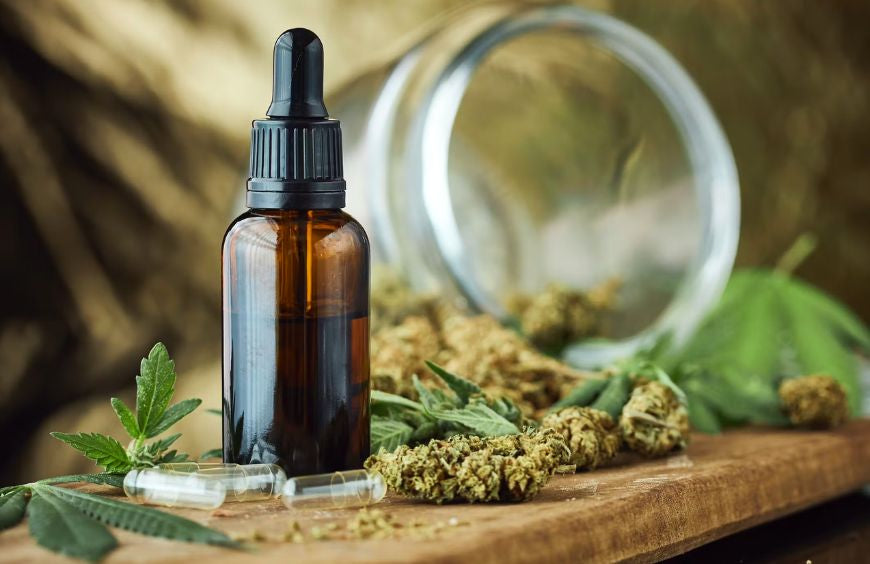
Consuming cannabidiol involves eating food products that have been infused or enriched with CBD, such as candies, chocolates, gum, beverages, or prepared meals. When you consume cannabidiol, the compound must be digested by the gastrointestinal system before being absorbed into the bloodstream. It may take some time for the effects to kick in, but they can last longer than with other methods of administration.
Taking CBD
Ingesting CBD involves taking cannabidiol in the form of capsules, tablets, or oils, and then swallowing them with water or other liquids. Ingested cannabidiol is also broken down in the gastrointestinal tract before being absorbed into the bloodstream. It may take a little while for the effects to kick in, but the effects may last longer than with other methods of administration.
Smoking CBD
Smoking cannabidiol involves inhaling the smoke from CBD-rich cannabis flowers, typically in the form of joints, pipes, or vaporizers. When you smoke cannabidiol, the compounds are inhaled into the lungs and then rapidly absorbed into the bloodstream through the pulmonary membranes. This can lead to rapid effects, but the duration of those effects may be shorter compared to other methods of administration.
By understanding the differences between eating, ingesting, and smoking cannabidiol in terms of absorption, duration of effects, and practical implications, you can choose the method of administration that best suits your personal needs and preferences.
Methods of CBD Administration: Differences and Implications
CBD Absorption
The way cannabidiol is administered can affect how quickly and effectively it is absorbed into the body. When eaten or ingested, cannabidiol must pass through the gastrointestinal tract, where it is metabolized by the liver before being absorbed into the bloodstream. This process can take some time—typically 30 minutes to 2 hours—before the effects of cannabidiol are felt. In contrast, when CBD is smoked, it is quickly inhaled into the lungs, where it is rapidly absorbed into the bloodstream. This can lead to faster effects, usually within a few minutes.
How Long Do the Effects of CBD Last?
The duration of CBD’s effects can also vary depending on the method of administration. When eaten or ingested, cannabidiol may take longer to be metabolized by the body, which can result in a longer duration of effects, typically 4 to 6 hours. In contrast, when cannabidiol is smoked, the effects may be shorter-lived—typically lasting 2 to 3 hours—due to the rapid absorption and faster elimination of CBD from the body.
Practical Implications
The different methods of administering cannabidiol also have practical implications to consider. For example, eating or ingesting CBD may be more discreet and convenient for those who prefer to avoid smoking or vaping. CBD-infused food products, such as candies or beverages, are also easy to dose and incorporate into one’s daily diet. In contrast, smoking CBD may require specific equipment, such as pipes or vaporizers, and may be less practical in certain situations or environments.
The Effects of CBD Depending on the Method of Administration
The method of administration can also influence the effects experienced by users. When cannabidiol is eaten or ingested, it may take longer to be absorbed by the body and to produce effects. The effects of ingested cannabidiol are generally considered to be milder and may develop gradually, resulting in a sense of relaxation and overall calmness of the body and mind.
On the other hand, when CBD is smoked, the effects can be faster and more intense, as cannabidiol is rapidly absorbed into the lungs and quickly enters the bloodstream. Users may experience an immediate sense of relaxation, stress relief, or reduced anxiety. However, the effects of smoked cannabidiol may also wear off more quickly, which may require more frequent use to maintain the desired effects.
It is important to note that the effects of cannabidiol can vary from person to person depending on individual sensitivity, the dose used, and the specific medical condition. It is therefore essential to take these differences into account when choosing a method of CBD administration and to consult a healthcare professional or a cannabidiol specialist for appropriate advice.
CBD Absorption and Bioavailability: A Comparison of Eating, Ingesting, and Smoking
The absorption and bioavailability of cannabidiol—that is, the amount of cannabidiol that is actually absorbed by the body and can produce effects—can vary depending on the method of administration. When CBD is eaten or ingested, it must pass through the gastrointestinal tract and be metabolized by the liver before being absorbed into the bloodstream. This can result in relatively low bioavailability of cannabidiol, generally estimated at about 6 to 20%. In other words, only a small portion of the ingested CBD actually reaches the bloodstream, which may require a higher dose to achieve the desired effects.
In contrast, when cannabidiol is smoked, it is quickly inhaled into the lungs, where it is rapidly absorbed into the bloodstream without passing through the liver. This can result in higher bioavailability of cannabidiol, generally estimated at about 30 to 50 percent. This means that a greater amount of cannabidiol can be effectively utilized when CBD is smoked, compared to oral administration.
It is important to note that the bioavailability of cannabidiol can also vary depending on the vaporization method, inhalation duration, and other individual factors. However, in general, smoking or vaporizing cannabidiol may offer higher bioavailability than eating or ingesting it, which can be taken into account when choosing a method of CBD administration based on individual needs. It is always recommended to consult a healthcare professional or a cannabidiol specialist for advice tailored to your personal situation.
Choosing a Method of CBD Administration: Factors to Consider
The choice of how to take cannabidiol depends on several important factors to consider. First and foremost, the user’s individual needs and preferences are a key factor. Some users may prefer to consume CBD in the form of capsules, food, or beverages, as this can be more discreet, convenient, and easy to incorporate into their daily routine. Others may prefer to smoke or vaporize cannabidiol for faster and more intense effects.
The user’s specific medical condition may also influence the choice of CBD administration method. For example, for people suffering from acute pain or anxiety attacks, smoking or vaporizing cannabidiol may be more appropriate due to its higher bioavailability and faster onset of effects. Conversely, for people with gastrointestinal or liver conditions, oral administration of cannabidiol may be preferable to avoid first-pass metabolism in the liver.
The dosage and concentration of cannabidiol are also factors to consider. The bioavailability of CBD can vary depending on the method of administration, which may require dose adjustments accordingly. For example, if you choose to eat or ingest cannabidiol, you may need to increase the dose to compensate for the lower bioavailability compared to smoking or vaporizing CBD.
Conclusion: Which method of CBD administration best suits your needs?
In conclusion, it is important to understand the differences between eating, ingesting, and smoking cannabidiol in order to choose the method of administration that best suits your needs. Each method has its own implications in terms of effects, bioavailability, onset of action, and convenience. The decision should be based on your individual preferences, your medical condition, the dosage and concentration of cannabidiol, as well as the advice of a healthcare professional or cannabidiol specialist.
If you prefer fast-acting and intense effects, smoking or vaporizing CBD may be more suitable. If you’re looking for a more discreet and convenient option, eating or ingesting cannabidiol may be a better choice. It’s also important to consider your specific health situation, as some methods may be better suited to certain medical conditions than others.
Ultimately, it is essential to choose the method of CBD administration that best suits your personal needs and medical condition. It is always recommended to consult a healthcare professional or a cannabidiol specialist to obtain appropriate advice and ensure the safe and effective use of cannabidiol.