You’ve probably heard of CBD (cannabidiol), the trendy compound that promotes well-being and relaxation. But have you ever heard of CBDV (cannabidivarine)? You’re likely unfamiliar with this unique cannabinoid due to a lack of research, which hasn’t yet revealed all the benefits it may have to offer. Like CBD, CBDV is derived from hemp plants. However, in some cases, it is derived from carefully selected hemp plants. The differences and similarities between the two may surprise you.
What is CBDV?
CBDV, or cannabidivarin, is one of the most important cannabinoids in cannabis. We often only hear about THC and CBD. But this is only a partial picture of cannabis, one that overlooks other essential phytocannabinoids such as CBDV.
Cannabidivarine was discovered in 1969 but remained largely unknown for many decades until entirely new scientific research revealed its full potential. In fact, it is said to offer numerous therapeutic and health-promoting benefits for humans and all living beings.
In particular, the CBD and CBDV found in cannabis plants have very similar chemical structures. Furthermore, both could be very helpful in treating epilepsy, neuropathic pain, autism, and other conditions.
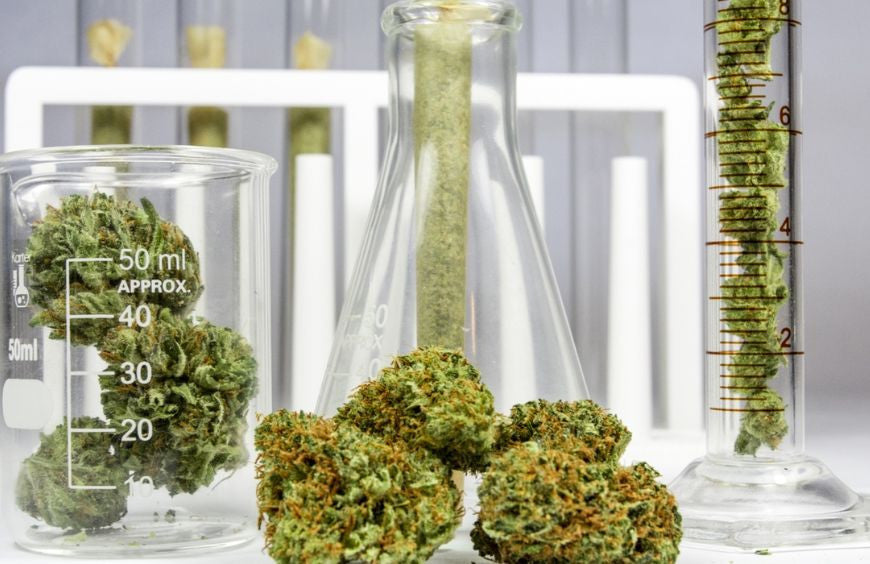
Therefore, CBDV-rich cannabis buds are a natural and organic product that contains no psychoactive active ingredients such as THC, and are of great importance to humanity!
How is CBDV made?
Cannabidivarin is not found in all cannabis plants. CBDV is derived from Indica strains that contain higher levels of CBD than THC. These plants most often come from Pakistan, India, and Mexico.
Because local cannabis plants are isolated from other cannabis plants to prevent cross-pollination, they have become rare to find. The legal and political landscape surrounding locally grown cannabis has also made CBDV oil difficult to produce. CBDV oil derived from cannabis is legal in the United States, but difficult to find from reliable sources.
How does CBDV work?
Currently, CBDV has not been widely studied due to legal restrictions on marijuana. However, a small study on CBDV has revealed interesting and insightful information that could have an impact on the future.
Scientists have discovered how cannabinoids interact with the human body through receptors in the endocannabinoid system (ECS). Like the natural cannabinoids found in the body, the cannabinoids in the cannabis plant interact with these receptors to trigger various reactions in the body. The ECS is responsible for regulating systems and functions throughout the body to maintain homeostasis. Homeostasis occurs when the body’s internal physical and chemical conditions are in a state of balance. CBDV may play a role in binding to receptors to stimulate and regulate the ECS.
What are the benefits of CBDV?
The molecular structure of CBDV allows this cannabinoid to function differently in the body than CBD and other pentyl cannabinoids. CBDV has a stronger but shorter-lasting effect on the human body due to its lower number of carbon molecules compared to other cannabinoids. Some studies have shown that CBDV improves bone health and reduces nausea. CBDV has also demonstrated neurochemical properties that may support brain function. However, further research is needed to provide sufficient evidence to understand the exact effects and benefits that CBDV has to offer.
Are there any side effects from using CBDV?
CBDV does not appear to cause any side effects. However, this does not necessarily mean that it is free of adverse side effects. Further research is simply needed to determine the safety profile of this cannabinoid in order to identify any negative effects it may have.
What is CBD?
CBD, short for cannabidiol, is one of the main and most important cannabinoids found in cannabis plants. It has also been known for many years for its therapeutic and beneficial effects. It was discovered in 1942 by an American chemist who was the first to isolate and study CBD.
Since then, cannabidiol has proven to be a lifesaver for many people suffering from schizophrenia, hallucinations, delusions, nausea, and more. It is also widely used by chemotherapy patients to alleviate many of the side effects caused by treatment. Its chemical formula is C21H30O2, which is similar to that of many other cannabinoids, but CBD is unique!
CBD: The Molecule in Cannabis with Multiple Benefits
CBD, or cannabidiol, is part of a large family of cannabinoids. Unlike THC, CBD is a non-psychoactive compound that is believed to act as a natural antidepressant. The anxiolytic effect of cannabidiol is thought to help regulate stress, anxiety attacks, and even mood swings.
In addition, CBD is also valued for its therapeutic properties. It is believed to be an effective pain reliever for many chronic inflammatory conditions, such as osteoarthritis, fibromyalgia, Crohn’s disease, and seizures. It is also said to be effective in relieving the side effects of certain neurodegenerative diseases, such as Parkinson’s disease, Huntington’s disease, and multiple sclerosis. Finally, CBD has also been shown to be effective in treating several types of cancer, as well as in helping people with diabetes combat arteritis.
Is CBD legal?
CBD is a product that is permitted in France under certain conditions. Any product labeled as CBD that may contain THC at a concentration greater than 0.3% is prohibited. At that concentration, it becomes a psychotropic substance. CBD is permitted and legal in France.
However—and this is a legal technicality—there is no law prohibiting the sale of a CBD product as long as it contains no THC or has a THC concentration of less than 0.3%. Cannabis is completely illegal, as are CBD products containing more than 0.3% THC.
So what are the differences between CBD and CBDV?
To wrap things up on a high note, let’s finally take a look at the differences between CBD and CBDV. As mentioned above, these are the two cannabinoids derived from the cannabis plant; they are very similar in chemical structure but differ in their effects.
Regarding the effects of CBDV, the non-psychoactive cannabinoid found in cannabis, it is worth noting that GW Pharmaceuticals has reported “no signs of safety concerns or toxicity” associated with CBDV. Furthermore, “CBDV has shown good tolerability even when higher doses were tested, and no significant side effects were detected.” Our bodies seem to tolerate CBDV well, which is truly reassuring for those looking to grow their own CBDV cannabis seeds.
What CBD and CBDV have in common is that neither chemical structure produces psychoactive effects. Anyone who decides to include CBDV-rich strains doesn’t have to worry about the psychoactive effects of this cannabinoid. Meanwhile, CBD, or cannabidiol, is the second most abundant compound in cannabis: it is non-psychoactive, non-addictive, and has a wide range of therapeutic uses. Many people have come to appreciate CBD and its benefits, and there is a wealth of scientific research on its effects and potential uses.
Interest in the therapeutic potential of CBD is growing within the scientific community. It has been used in numerous studies to treat a wide range of conditions and is now considered one of the main ingredients in medical cannabis. More and more studies are confirming the effectiveness of CBD in alleviating various conditions. This cannabinoid has proven effective as a treatment of choice for many diseases and conditions. It appears to be a powerful ally in the fight against even the most specific and invasive diseases!
CBD or CBDV: Which Should You Choose?
Given their remarkably similar chemical structures, CBDV and CBD have similar yet distinct effects. However, they both come from the same plant, and there is no obvious reason to choose one over the other when you can have both in their natural form.
Furthermore, their effects are largely complementary. In line with the entourage effect, it appears that consuming cannabinoids together—including alongside the terpenes, esters, and flavonoids found in the plant—allows users to experience combined effects that are potentially more beneficial than the individual effects of each molecule.
If you're interested in how cannabidivarin works, you don't have to choose—taking it with CBD has no known serious side effects.