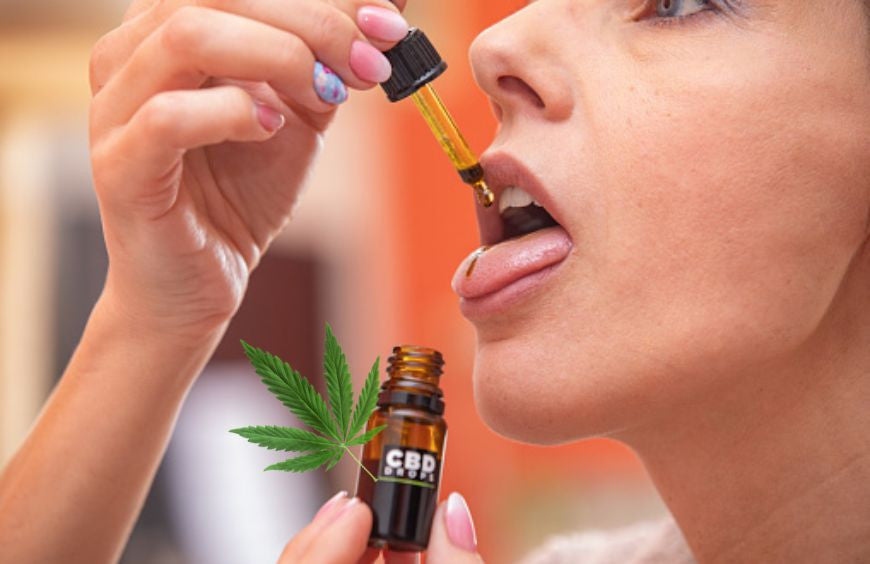
CBD is everywhere! There’s so much information out there about CBD products that it can be hard to know what’s true and what isn’t. Whether you’re a longtime user or just curious about CBD, you might be wondering how often you should use it. Can you really take CBD every day?
Is it safe to take CBD every day?
Regular CBD use poses no risk. On the contrary, it allows you to reap all the benefits of CBD, whether for your health or your overall well-being. Doctors are actively studying it for its sedative effects. Additionally, its anxiolytic properties may also help relieve chronic pain. In these turbulent times, its daily use is highly recommended for leading a peaceful and serene life. (Here are 10 reasons to use CBD every day)
Unlike THC, which produces a euphoric feeling, CBD is said to help people relax during the day. It is a non-psychoactive compound that is believed to calm the body and mind. It’s a great way to unwind after a long, hard day. What’s more, it may help overcome and prevent certain addictions.
Can you overdose?
The answer is no! So rest assured—there’s no risk of overdose even if you take a large amount. In fact, it’s impossible to overdose on CBD. A study has shown that CBD is well tolerated, even at high doses of 1,500 mg per day, when taken regularly. In fact, that’s much more than what an average person would consume. For comparison, one drop of 10% oil contains 5 mg of CBD. What’s clear is that CBD use isn’t dangerous and doesn’t carry the same risks as THC. So if you take a large amount of CBD, don’t panic. There’s nothing wrong with that. According to the World Health Organization, cannabidiol is not a medication. Only medications and certain substances can be dangerous in the event of an overdose, but CBD is not one of them. However, learn how to properly adjust your dosage so you can enjoy the beneficial effects of cannabidiol.
What happens if you take too much CBD?
If you take too much CBD, it could cause harmless side effects. Symptoms may include diarrhea, dry mouth, and drowsiness. These side effects usually go away on their own after a few hours. For the best experience, start with a low dose of CBD and increase it gradually over time. Determining the right dose depends on many factors, such as metabolism, body weight, the quality of the CBD product, and the reason for taking it.
When is the best time to take CBD?
People often wonder when the best time is to take CBD. Some people take CBD every day, while others take it only occasionally. It really depends on why you’re taking it.
In fact, there’s no right or wrong time to take CBD. You just need to listen to your body. So, start with a low dose, see how you react, and then adjust it to achieve the desired effects. It can sometimes take several weeks for CBD to take full effect.
How does it affect our bodies?
Extracted from the industrial hemp plant, cannabidiol is believed to regulate levels in the endocannabinoid system (ECS), particularly anandamide, or AEA. Anandamide is a neurotransmitter produced naturally in the body that can serve two functions:
· On the one hand, to signal to the body’s cannabinoid receptors that homeostasis (systemic balance) is disrupted, thereby stabilizing the body’s various systems,
· In addition, it helps regulate the body’s own cannabinoid system through this mechanism.
The body can adapt when necessary; the second function appears to be increasing AEA levels. As a result, CBD is defined asa “partial agonist” of the CB2 receptor—which means it binds to the cannabinoid receptor and activates it. However, it does not cause full activation as full agonists do. It may also improve mood by interacting with the serotonin receptor (the “feel-good” hormone). Further research is needed on the endocannabinoid system and the exact role of CBD in the ECS. It is known that CBD affects the peripheral immune system (PIS) and, to some extent, the central nervous system (CNS), including the brain.
Does daily use of CBD really make a difference?
Yes, daily use is effective, especially when CBD is used for everyday symptoms such as chronic pain, frequent anxiety, and sleep disorders. In this regard, CBD may help calm your nervous system. As a result, CBD users have shared numerous testimonials about using CBD to relax, sleep, and feel better.
What about tolerance?
Do you need to keep taking more and more to get the same results? The answer is no! In fact, once you’ve found the ideal dose for your body—whether that’s on the 50th day or the 1st day—the results will be the same. There’s no risk of developing a tolerance.
How can you incorporate CBD into your daily health routine?
To create your personalized CBD plan, briefly list the reasons why you’re taking it. If you want to improve your focus and alertness, taking CBD every morning might be the best option. If you need CBD to stop overthinking or to sleep better and more deeply, include it in your nighttime routine. Also, if you suffer from anxiety, you can take it 15 minutes before a stressful situation or when you feel anxiety overwhelming you. Or, if you find it helpful around the clock, our CBD edibles will fit perfectly into your wellness routine.
How long does CBD stay in the body?
The amount of time CBD stays in the body varies from person to person. Generally, the effects of CBD begin about 10 to 30 minutes after takingCBD oil and may last for several hours. When vaping CBD flowers, however, the effects are immediate and can last for several hours. With regular use—or for some people—CBD may remain in the body for 14 days or even weeks.
In addition, many factors influence how long it takes for CBD to leave the body and how it affects you. These factors may include an individual’s metabolism, age, weight, dosage, route of administration, and, most importantly, the user’s diet. You should also keep in mind that it takes several weeks for CBD to be completely eliminated from the body. The more regularly you consume CBD products, the longer the active compounds in cannabidiol will remain in your system.
Finally, the benefits of CBD are well known, and current research supports the use of CBD in everyday life. From inhibiting the growth of cancer cells to relieving chronic pain, CBD is said to have a growing list of proven benefits. Moreover, there is no simple answer to the question of how often one should take CBD. First-time CBD users should start with small doses of CBD until they find the dose that works best for them.
So don't miss out—enjoy it every day!