Recently discovered, THCP is gradually making its way onto the market. But what is D9-THCP? And what are its effects?
Find out the answers to all your questions about this new cannabinoid.
What is THCP?
THCP, or Δ9-Tetrahydrocannabiphorol, is a phytocannabinoid discovered in late 2019 through research conducted in Italy on cannabis plants. In fact, the government-supervised research conducted by Professor Giuseppe Cannazza of the Università di Modena e Reggio Emilia revealed—entirely by chance—two new cannabinoids: THCP and CBDP.
These compounds were found to be derived from the parent cannabinoid, cannabigerol, also known as CBG. This molecule is already responsible for the biochemical synthesis of THC and CBD, which takes place within the plant’s trichomes. This study demonstrated that it is also responsible for the synthesis of THCP.
While it is present only in trace amounts in some flowers, it is synthesized in slightly greater quantities in others. Its presence therefore appears to vary quite randomly depending on the cannabis variety. However, this discovery offers new insights into the plant’s potential benefits.
How was THCP discovered?
It was while cultivating an Italian cannabis strain known as FM2 that Professor Giuseppe Cannazza’s team discovered, entirely by chance, two new cannabinoids that had gone completely unnoticed until then: THCP and CBDP.
FM2 is a strain cultivated in Italy under military supervision as part of research into medical cannabis. This strain has shown significant levels of THCP and CBDP, enabling the detection and subsequent discovery of these new cannabinoids. Researchers will therefore likely crossbreed THCP-rich cannabis strains to produce seeds and plants with high levels of D9 THCP.
THC vs. THCP: What Are the Differences Between These Cannabis Compounds?
Chemically speaking, delta-9-THCP is similar to THC, except that it has a slightly longer carbon side chain.
While THC has 5 carbon atoms in its molecular structure, THCP has 7.
These few additional molecules would thus allow it to increase its affinity for the CB1 and CB2 receptors present in our bodies. As a result,THCP is said to bind to CB1 receptors 30 times faster than THCandtoCB2 receptors 5 to 10 times faster. Its elongated structure also allows THCP to bind more easily to the receptor, making it much more potent and causing its effects to kick in more quickly than those of THC.
What are the effects of THCP?
While certain cannabinoids such as CBD, THC, CBN, and CBG are beginning to be the subject of numerous studies, THCP has only recently been discovered. Research is still too limited to provide a comprehensive understanding of THCP’s benefits, but initial studies have shown that it has effects very similar to those of THC, but that are faster-acting and more potent. This difference is due to the THCP molecule’s greater affinity for our endocannabinoid receptors.
In tests conducted on rats, researchers found that Δ9-tetrahydrocannabiphorol had effects similar to those of THC: reduced motor function, relief from pain and nausea, reduced inflammation, inhibited the growth of cancer cells, antioxidant effects, antiepileptic properties, dizziness,appetite regulation, and lethargy.
THCP is said to be more than 30 times stronger than THC.
Furthermore, the psychoactive effect is more pronounced than that of the THC found in marijuana.
After consuming THCP, the effects are felt almost immediately. It is therefore important to be aware of this so you can choose wisely when to consume it.
How does THCP affect our bodies?
THCP is an endocannabinoid—that is, a molecule that interacts with our endocannabinoid system. This system consists of CB1 and CB2 receptors distributed throughout our body. These receptors regulate numerous systems, including the nervous, inflammatory, muscular, and joint systems… Thus, THCP has a high affinity for these receptors; it binds to them and thereby modulates the activity of certain functions.
What are the health benefits of THCP?
Since THCP was discovered very recently, very little research has been conducted on it. However, it appears to have the same benefits as THC. Its anti-inflammatory and analgesic properties could make it a therapeutic asset for certain conditions. It may also help regulate appetite. Like CBD, it is believed to be a powerful anxiolytic and may help relieve sleep disorders. However, we recommend that you consult a healthcare professional if you have any questions or are currently taking medication.
What are the side effects of THCP?
THCP is still far from having revealed all its secrets, so we do not yet know exactly what its side effects are.
Is THCP dangerous?
Like all other cannabinoids found in cannabis, THCP is not recommended for pregnant women, minors, or people undergoing medical treatment.
If you already experience strong effects when taking THC, we do not recommend trying THCP.
How should THCP be consumed?
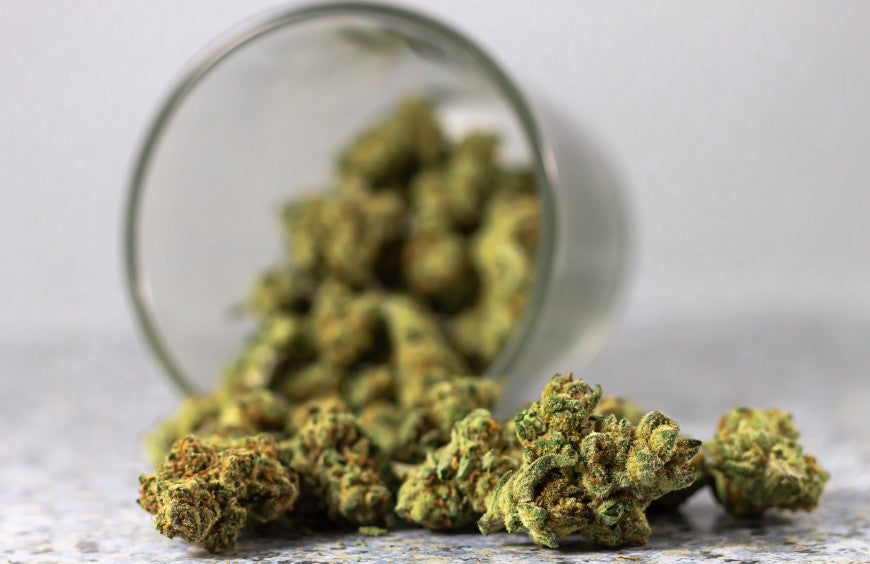
More and more THCP products are entering the CBD and cannabis market. As a result, the main products available today are THCP flowers, THCP resins, and THCP pollen.
In general, THCP products are consumed in the same way as traditional CBD products: by vaporization or inhalation, or by ingestion.
Is THCP legal?
THCP is a cannabinoid similar to THC. It is therefore very promising and could become a therapeutic option. However, its potency and the speed at which its effects take hold should be taken into account before embarking on this cannabis experience.