Given the rise in popularity of CBD in recent years, many of you are wondering—and with good reason—whether it might be a good idea to become a CBD hemp producer in France. Indeed, stores specializing in this market are popping up everywhere to meet the growing demand from all age groups.
It’s true that the outlook is quite encouraging, since we’re talking about a market that, according to industry experts, could exceed one billion euros this year. Given these figures, it’s inevitable that we see green gold right before our eyes. But beware of the many hurdles to overcome, as this is a highly regulated sector.
So, before jumping to any conclusions, what does the law say about hemp production in France? What steps do you need to take to start breaking into this market? If not, what are the alternatives? We’ll tell you everything you need to know to become a hemp producer!
Becoming a CBD Hemp Producer: What Does the Law Say?
CBD hemp has enjoyed great success in the French and European markets in recent years. This variety of cannabis differs from traditional marijuana in that it is used for neither recreational nor industrial purposes. Thus, although it is strictly regulated, the cultivation and sale of CBD have been legalized in France.
First of all, it should be noted that French drug laws are very strict. Accordingto Article 222-35, Section 4, of the Penal Code of September 22, 2000, the unlawful production or manufacture of narcotics is punishable by a fine of up to 7,500,000 euros and imprisonment for up to 20 years. The products classified as prohibited substances are listed in the decree of February 22, 1990. The cultivation of hemp must therefore be legal. France is the world’s second-largest producer of cannabis after China. This is due to a certain degree of tolerance.
In France, cultivated cannabis strains must have a THC concentration of less than 0.3 percent. This is the tolerance threshold. Cultivated cannabis must be included in the list of authorized productsset forth in Article 2 of the August 22, 1990, decree of the Public Health Code governing cannabis.
Industrial hemp produced in France is the result of a very careful selection process. This sorting of varieties has allowed producers to comply with current cannabis laws by selecting only varieties with low THC content.
How can you legally grow hemp in France?
Cannabis grown in France is one of these legal varieties. They are the result of a massive breeding program. This has made it possible to reduce the natural THC content of the hemp to comply with current regulations. But the process of becoming a hemp grower is no easy task.
Hemp is a hardy plant that thrives under high-quality, organic, and responsible farming practices. However, the bureaucratic rigidity associated with this type of production is extremely limiting.
It is essential that the seeds you use (cannabis seeds) come from an accredited organization such as the Central Cooperative of Hemp Seed Producers (CCPSC). A farmer is prohibited from replanting seeds harvested from plants grown from seeds he has sown. For distribution purposes, in consultation with the Ministry of the Interior, the CCPSC will ask the farmer to sign a sworn statement regarding the geographic location of his cultural heritage.
- The seed certificates included in the package must be retained for verification of legality.
- The cultivation must be reported in writing to the National Federation of Cannabis Producers (FNPC) and the Gendarmerie.
- At any time, cultivated hemp can be tested for its THC content.
What steps must one take to become a CBD hemp producer in France?
It is important to note that France is the world's second-largest producer of hemp after China and the largest in Europe. The market therefore appears promising and full of potential.
After all, there are many steps involved, and they can be very demanding: obtaining a license, having agricultural knowledge, complying with regulations, and having a significant amount of startup capital.
Obtain a license to grow hemp
The first major step, as in the vast majority of industries, is to register as an official CBD hemp producer. Your background, as well as that of your future employees, may be subject to a review. Of course, if you have a criminal record, you can kiss your dream of growing hemp goodbye.
The license is based on the CBD and THC levels of the variety you choose to grow. The goal is to ensure that the hemp is intended for commercial or scientific purposes and not for personal, illegal use. As of February 2021, the cultivation, import, export, and use of the whole hemp plant for commercial and industrial purposes are permitted, but under no circumstances for personal use.
To obtain a license, you must therefore submit documentation confirming that your crop is intended for medical, therapeutic, and wellness purposes. The health department will decide whether or not to approve your project.
You will also need to work with recognized and certified professionals to handle certain aspects of production: safety, imports, product sustainability, etc.
If all requirements are followed and the conditions are met, the process of obtaining a license to grow hemp can take 6 to 8 months.
Have knowledge of agriculture or seek guidance
Agricultural knowledge is essential to ensure you are fully prepared to become a hemp grower. Otherwise, do not start this project without a professional to guide you. In fact, to ensure high-quality production, certain basic criteria must be met.
- Find the perfect location and lay the groundwork
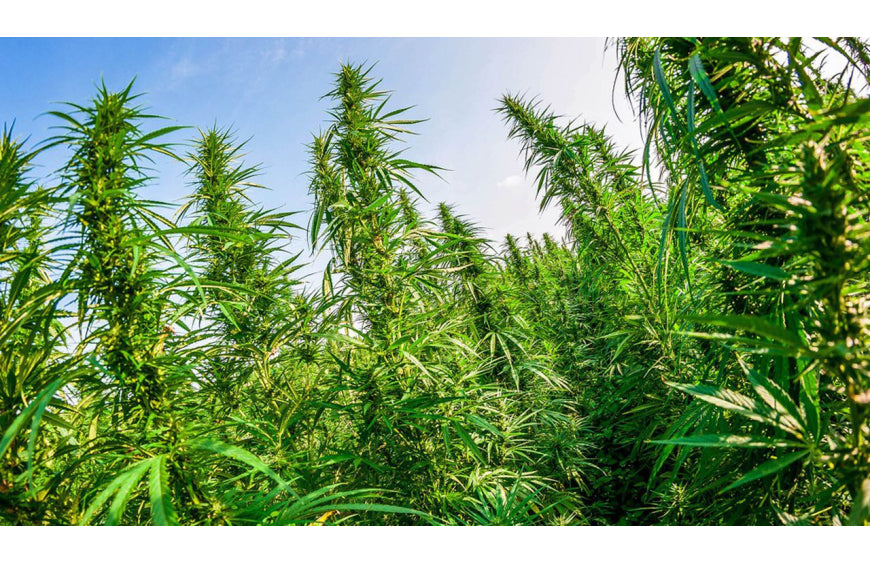
Cannabis needs heat and light to grow well. The soil temperature must not drop below 15°. Everything else depends on the growing method you choose: indoor, outdoor, or in a greenhouse.
Prepare the soil by removing weeds, adding good compost if necessary, and raking the field so that the soil is ready for planting. It is best to plant them in the spring, either in rows or scattered. Keep in mind that this crop requires regular and abundant watering or light rain.
It is prohibited to plant your own seeds. The ideal approach is to transition to organic farming. Consumers are increasingly appreciating this method of cultivation, which excludes all pesticides and heavy metals. It is a strong guarantee of quality. Indeed, the CBD market is flooded with low-quality products. So, do your part to make a difference and offer quality products.
- Use the best extraction process
Having high-quality ingredients is the first step. Another step is choosing the appropriate extraction method from among the available options. The quality of your CBD will depend in part on this method. Supercritical CO2 extraction appears to be the most effective. It involves using very high or very low temperatures to separate the CO2 from the cannabinoids. It is a carefully controlled, efficient, and clean process, particularly for producing pure, sediment-free oils.
Feel free to contact the hemp association. Its mission is to foster the development of promising industries in France and to provide the best possible support to hemp producers.
- Comply with the 0.3% THC limit
The THC level must be kept below 0.3%. Of course, it is necessary to conduct regular tests in anticipation of any inspections. Otherwise, you risk heavy fines because the product will then be considered a narcotic and therefore illegal. This could result in very high fines or prison sentences. It is better to take precautions and be prepared for inspections.
You must also make sure you choose a legal cannabis strain. It must be included on the official list set forth in Article 2 of the decree of August 22, 1990, and in accordance with Article R 5132-86 of the Public Health Code regarding hemp. This is the best way to ensure that the THC content remains below 0.3 percent.
If you become a hemp grower, it is also important to understand the different cultivation methods:
- Indoor: Cultivation takes place in greenhouses. It is carefully controlled and protected from external threats such as cold, heavy rain, pests, etc.
- Greenhouse: Just like with indoor cultivation, the plants are protected and well sheltered from the outdoors in greenhouses. Sunlight and humidity are carefully controlled.
- Outdoor: The plant benefits from natural weather conditions—sun, rain, and wind—and can grow faster. It also carries more risk, precisely because of unpredictable weather, and may therefore be of lower quality.
Have some initial capital
Launching a CBD hemp production business requires significant capital to get the business off the ground. Based on expert advice, we recommend contributing approximately 200,000 euros, to which you will need to add several other financial components:
- the cost of obtaining a license;
- room rental;
- your employees' pay;
- transportation costs.
Of course, you can turn to investors or private capital, keeping in mind that banks tend to be cautious unless you have a very good relationship with them or a specific business proposal. Therefore, we strongly recommend that you have a solid business plan in place before launching your hemp production venture.
In conclusion, to become a CBD hemp producer in France, it is essential to comply with applicable regulations. In this context, opt for natural, chemical-free cultivation by choosing certified seeds. Finally, you should work with reputable retailers, such as HighSociety, who recognize the value of what you produce.